Opinion
India's Aluminium Industry Seeks Higher Import Duties: What It Means for Investors and Manufacturers
India's aluminium industry is seeking higher import duties and policy support ahead of the Union Budget 2027–28 to protect domestic producers and encourage a proposed ₹4 lakh crore investment pipeline. With aluminium demand projected to reach 11.5 million tonnes by FY2033, the industry aims to expand production capacity and reduce import dependence. However, downstream manufacturers and MSMEs warn that higher duties could increase raw material costs and affect their competitiveness. The article examines the balance between protecting domestic producers, supporting manufacturing growth and strengthening India's position in the global aluminium market.
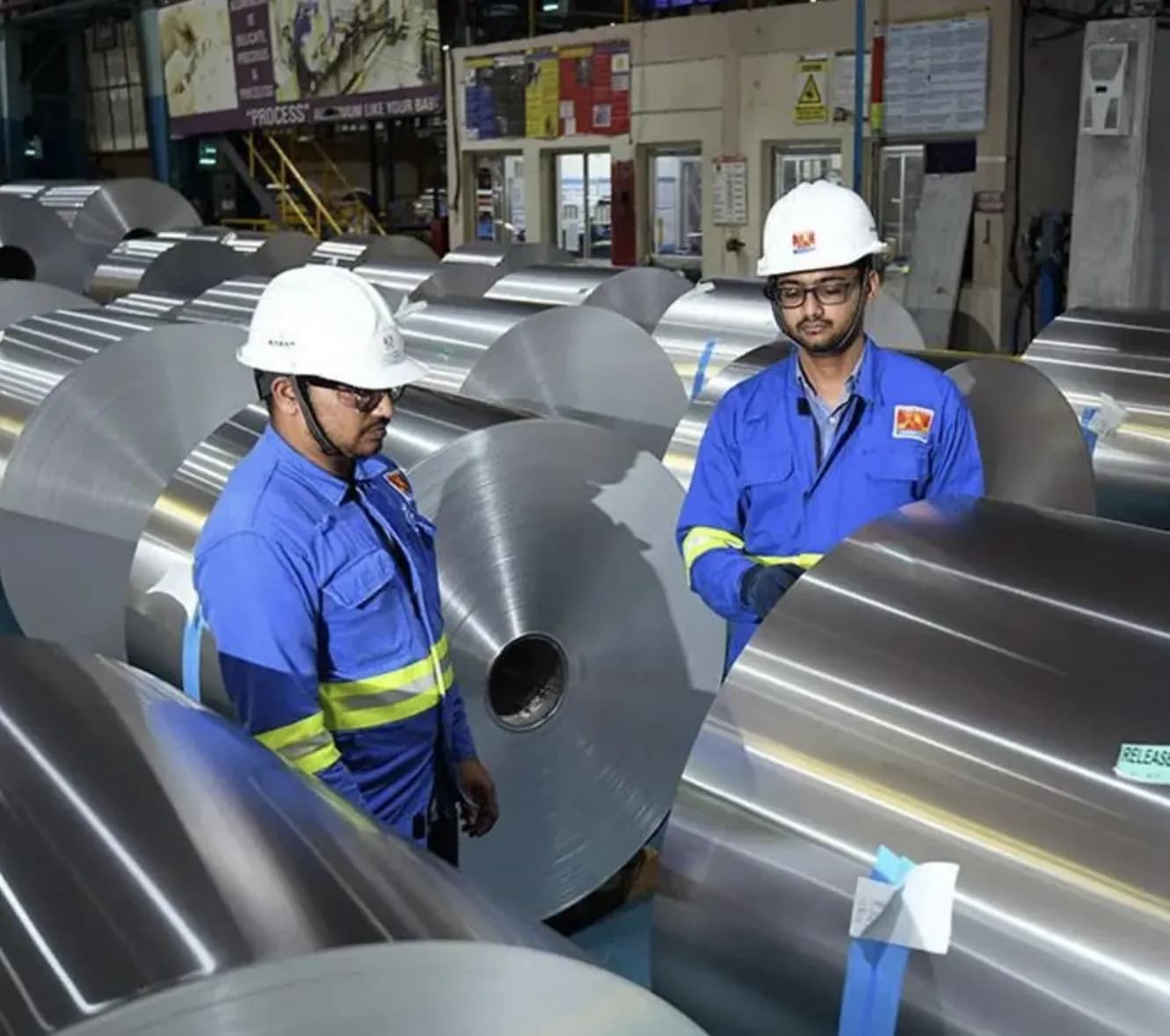
India's aluminium industry is seeking higher import duties and policy support ahead of the Union Budget 2027–28, aiming to protect domestic producers and encourage fresh investment. India's aluminium sector is entering an important phase of expansion as rising demand from infrastructure, construction, automobiles, renewable energy and manufacturing increases the need for domestic production. Ahead of the Union Budget 2027–28, the Aluminium Association of India (AAI) has urged the government to introduce higher import duties and a more predictable policy framework to protect domestic manufacturers and support future investments.
According to a report by Reuters published on 24 November 2026, the industry body has called for policy stability to keep planned capacity expansion and investment on track. Its recommendations include changes to customs duties, quality standards for imported aluminium scrap and support for downstream manufacturing.
A ₹4 Lakh Crore Investment Ambition
The scale of the industry's ambitions is significant. According to details reported by ET Manufacturing, the Aluminium Association of India has outlined an investment pipeline of approximately ₹4 lakh crore to expand domestic aluminium production and processing capacity.
The association estimates that India's aluminium demand could increase from approximately 6 million tonnes in FY2026 to 11.5 million tonnes by FY2033. It also projects domestic production capacity to rise from 4.3 million tonnes to 11 million tonnes per annum over the same period.
India's existing production and consumption figures highlight the importance of this expansion. According to National Aluminium Company Limited's (NALCO) FY2025–26 annual report, domestic aluminium consumption increased by 11.4%, from 5.5 million tonnes in FY2024–25 to approximately 6.1 million tonnes in FY2025–26. Production, meanwhile, increased by 1.4%, from 4.2 million tonnes to 4.3 million tonnes.
The difference highlights the challenge of keeping domestic supply aligned with rapidly growing demand.
Why Does the Industry Want Higher Import Duties?
The Aluminium Association of India has proposed increasing the basic customs duty on primary aluminium imports to 10% and raising the duty on downstream aluminium products to 15%. It has also recommended maintaining or increasing duties on imported aluminium scrap until stronger quality controls are introduced.
The association argues that these measures would improve the competitiveness of domestic producers, encourage investment and reduce dependence on imported aluminium products.
It has also sought the establishment of downstream aluminium parks with shared infrastructure and access to primary aluminium, potentially helping manufacturers reduce processing and logistics costs.
According to ET Manufacturing, the industry association has cited an import-related foreign exchange outgo of ₹88,434 crore in FY2025–26 under Chapter 76 of the customs tariff. This figure is an industry-reported estimate and has not been independently verified by Reuters.
For major producers such as Hindalco Industries, Vedanta and NALCO, a predictable policy environment could support long-term capacity expansion and investment planning.
The Other Side: Why Downstream Manufacturers Oppose Higher Duties
However, higher import duties are not universally supported across the aluminium industry.
Downstream manufacturers, particularly micro, small and medium enterprises (MSMEs), have raised concerns about the cost of primary aluminium, which serves as a key raw material for products such as electrical cables, conductors, automotive components, construction materials and household goods.
On 22 November 2026, a report by Business Standard, citing a representation from the Aluminium Extrusion Manufacturers Association of India (ALEMAI), stated that the association had requested the government to reduce the basic customs duty on primary aluminium from 7.5% to zero.
The current basic customs duty of 7.5%, together with the 0.75% social welfare surcharge, results in an effective import duty of 8.25%.
Downstream manufacturers argue that the existing tariff structure increases raw material costs and makes it harder for Indian businesses to compete with imported finished products. Higher duties could further increase this pressure if domestic producers cannot supply competitively priced materials.
This creates a policy dilemma: protecting primary aluminium producers may encourage domestic capacity expansion, but increasing input costs could weaken the competitiveness of businesses that convert aluminium into higher-value products.
Global Competition and the Energy Challenge
India's aluminium ambitions also face challenges from international markets. Aluminium production is highly energy-intensive, making electricity costs, fuel availability, transportation and global commodity prices important factors in determining competitiveness.
NALCO's FY2025–26 annual report identifies energy intensity and dependence on coal-based power as important weaknesses of India's aluminium industry. The sector must therefore balance production expansion with energy efficiency, recycling and environmental sustainability.
The growth of global demand for aluminium, particularly from electric vehicles, renewable energy infrastructure, power transmission and construction, also presents opportunities for Indian producers.
However, expanding production alone will not guarantee stronger market competitiveness. Domestic companies will need to improve operational efficiency, invest in modern technologies and develop a more robust recycling ecosystem.
What Lies Ahead for India's Aluminium Market?
The upcoming Union Budget 2027–28 could become an important moment for the sector, as the government considers competing demands from primary producers and downstream manufacturers.
A balanced policy approach could include targeted support for domestic capacity expansion, improved scrap quality standards, investment in recycling infrastructure and measures that ensure affordable access to raw materials for downstream industries.
The central challenge is to strengthen India's domestic aluminium ecosystem without creating additional cost pressures for manufacturers and consumers.
With demand projected to rise significantly over the coming years, India's aluminium industry has an opportunity to become a stronger contributor to industrial growth, investment and exports. However, achieving the proposed ₹4 lakh crore investment ambition will depend not only on import protection but also on productivity, technological advancement and a competitive manufacturing environment.
More to read
Markets
India's Stock Market Attracts Record $12 Billion in Foreign Buying Amid Global AI Market Uncertainty

Markets
Paytm and Pine Labs Shares Fall Up to 7% as Uncertainty Over UPI Transaction Charges Weighs on Investors

Markets