Section
Defence
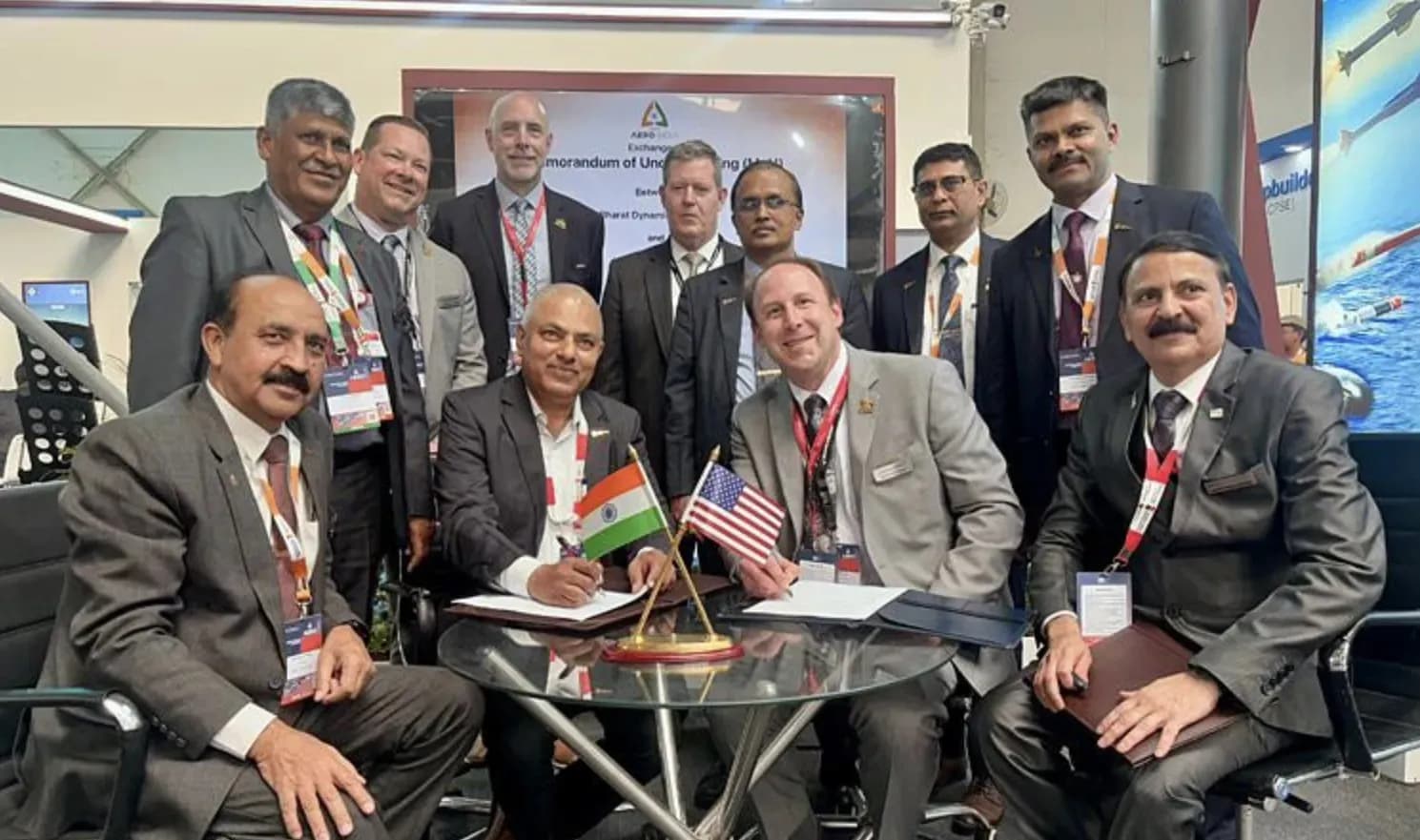
India–US Defence Partnership: How Joint Manufacturing and Ship Repairs Are Creating New Business Opportunities
India–US defence cooperation is expanding beyond military purchases into manufacturing partnerships, aircraft maintenance and naval ship repairs. The proposed Javelin missile co-production initiative between Tata Advanced Systems and the Javelin Joint Venture could create opportunities for Indian manufacturers and suppliers. Meanwhile, a ₹413 crore contract with Boeing India Defense for P-8I aircraft inspection and the arrival of US Navy vessel USNS Wally Schirra at L&T's Kattupalli shipyard highlight India's growing role in defence maintenance services. With India's defence production reaching ₹1.78 lakh crore in FY2025–26 and the private sector contributing approximately 24%, these developments underline the economic potential of joint manufacturing, technology cooperation, skilled employment and domestic supply chains. However, the actual commercial impact will depend on the implementation of proposed projects and the scale of domestic participation.
5 min read
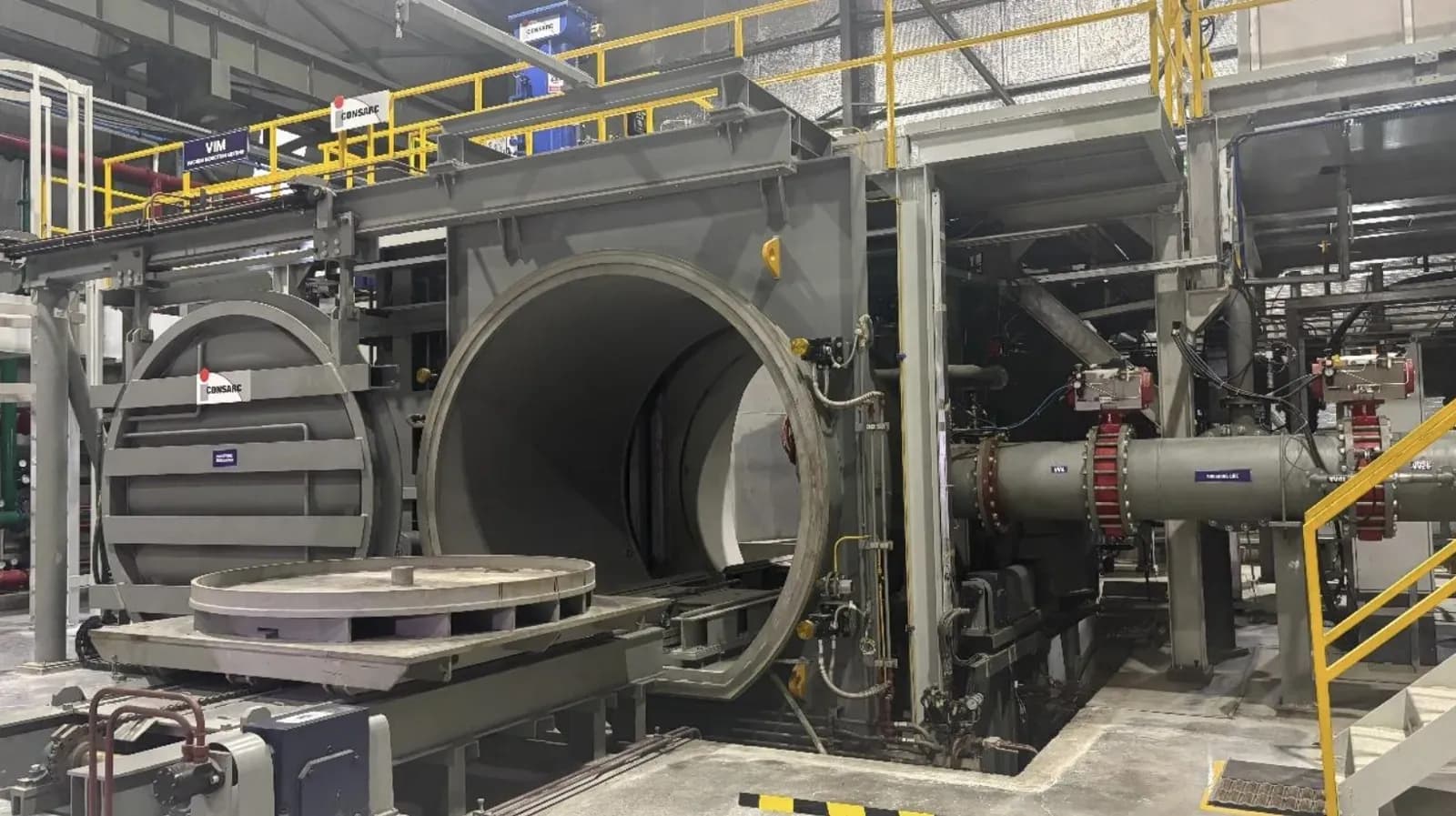
India's Defence Industry Gets a Titanium Boost as PTC Industries Secures 400-Tonne Order
PTC Industries has secured a defence-sector contract to supply approximately 400 tonnes of titanium ingots, bars and rods, with execution scheduled over 12 months. The order, announced on 23 November 2026, highlights the growing role of domestic advanced-material manufacturing in India's defence industry. Titanium's strength, low density and corrosion resistance make it valuable for aerospace and other critical applications. Through its subsidiary Aerolloy Technologies, PTC is expanding its capabilities in titanium and superalloy manufacturing. The development comes as India's defence production reached a record ₹1.78 lakh crore in FY2025–26, with the private sector contributing around 24%. While the contract's financial value remains undisclosed, it highlights opportunities in high-value manufacturing, strategic supply chains and reducing dependence on foreign suppliers.
5 min read
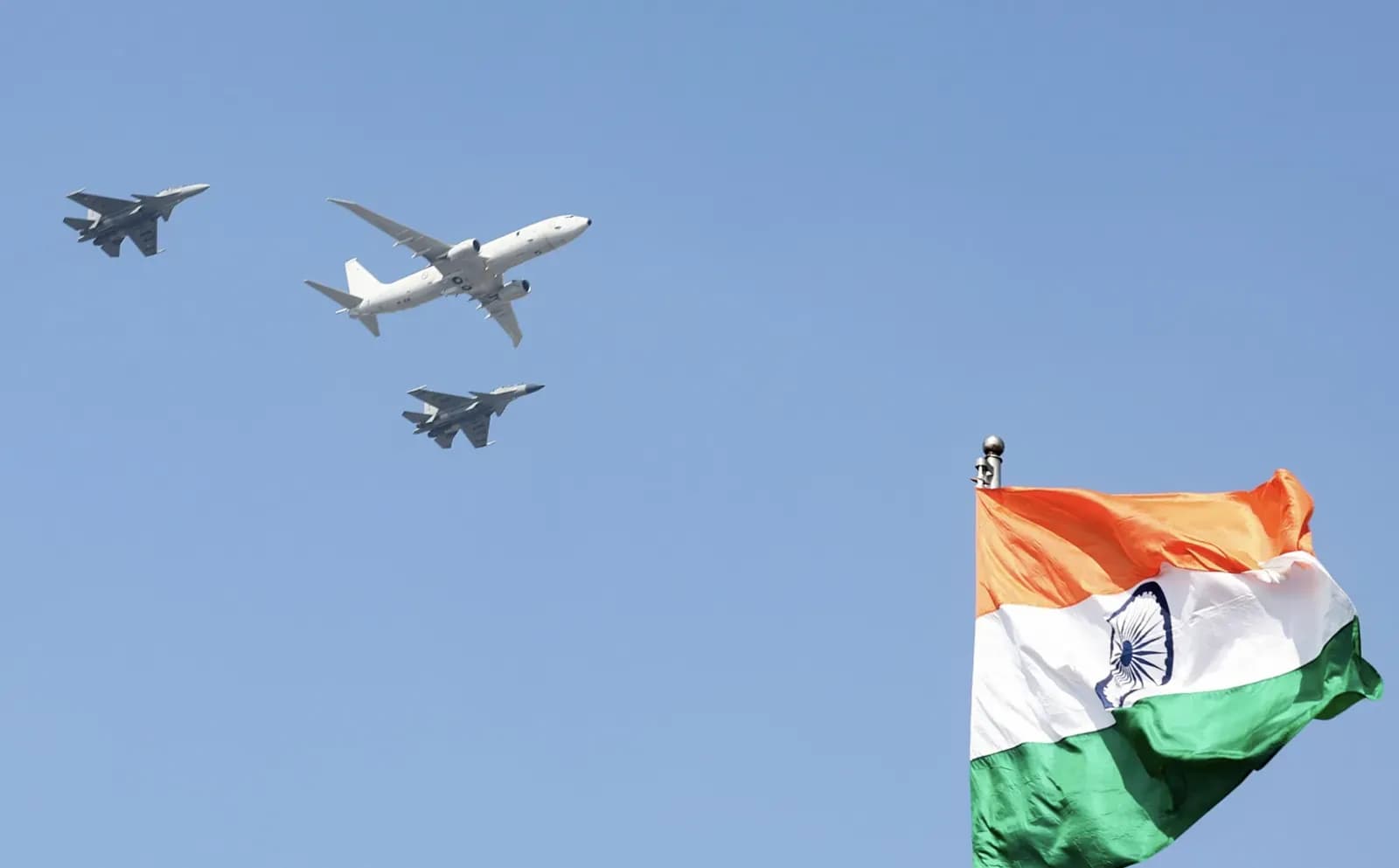
India’s Defence and Economic Rise Takes Centre Stage as US Report Highlights China-Pakistan Ties
The 2026 US Congressional Commission report highlights China’s growing defence and strategic cooperation with Pakistan, including military equipment supplies and technical assistance during Operation Sindoor. It also examines China's influence over critical minerals, electronics, pharmaceuticals and battery supply chains, identifying potential challenges for India's industrial growth and economic security. The report underscores the importance of strengthening India's domestic defence manufacturing, technological capabilities and maritime partnerships to reinforce its strategic position in the Indo-Pacific.
4 min read
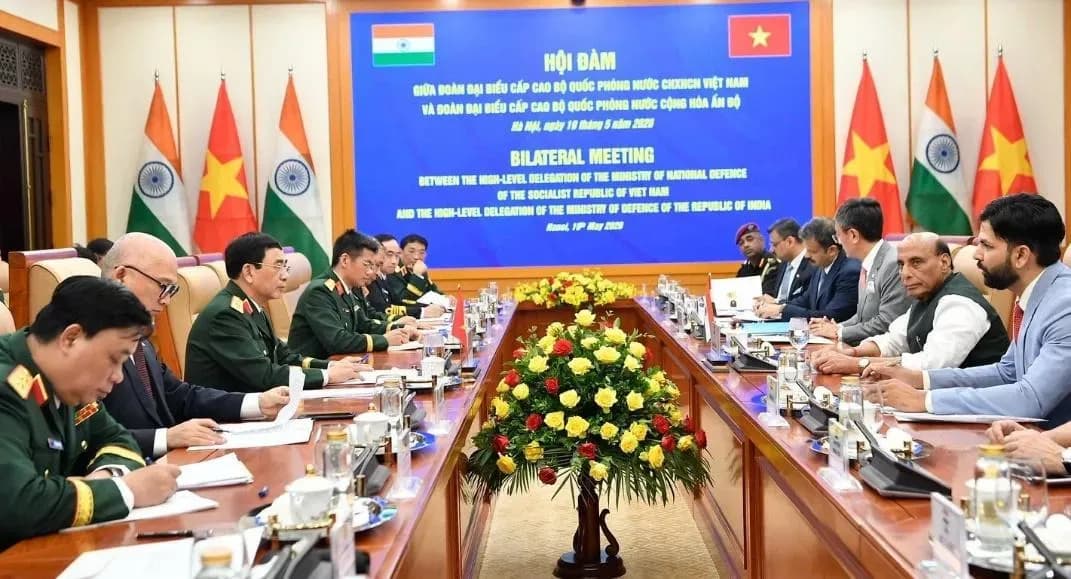
From Armenia to Southeast Asia: India's Rise as a Global Defence Exporter
The article examines India's transformation from a major defence importer into an emerging global exporter of indigenous military equipment and technology. It highlights India's expanding defence partnerships with Armenia in the South Caucasus and the Philippines and Vietnam in Southeast Asia, focusing on exports such as the Swathi Weapon Locating Radar, Pinaka rocket systems, Akash air defence systems, BrahMos supersonic cruise missiles and high-speed guard boats. The article explores how defence exports are becoming an important instrument of India's foreign policy, strengthening strategic partnerships, supporting the Act East Policy and expanding India's presence in the Indo-Pacific. It also discusses challenges related to global competition, manufacturing capacity, timely deliveries, technological advancement and after-sales support. Ultimately, it argues that India must move beyond equipment exports towards joint manufacturing, technology collaboration and long-term defence partnerships to strengthen its position in the global defence industry and contribute to regional security.
7 min read
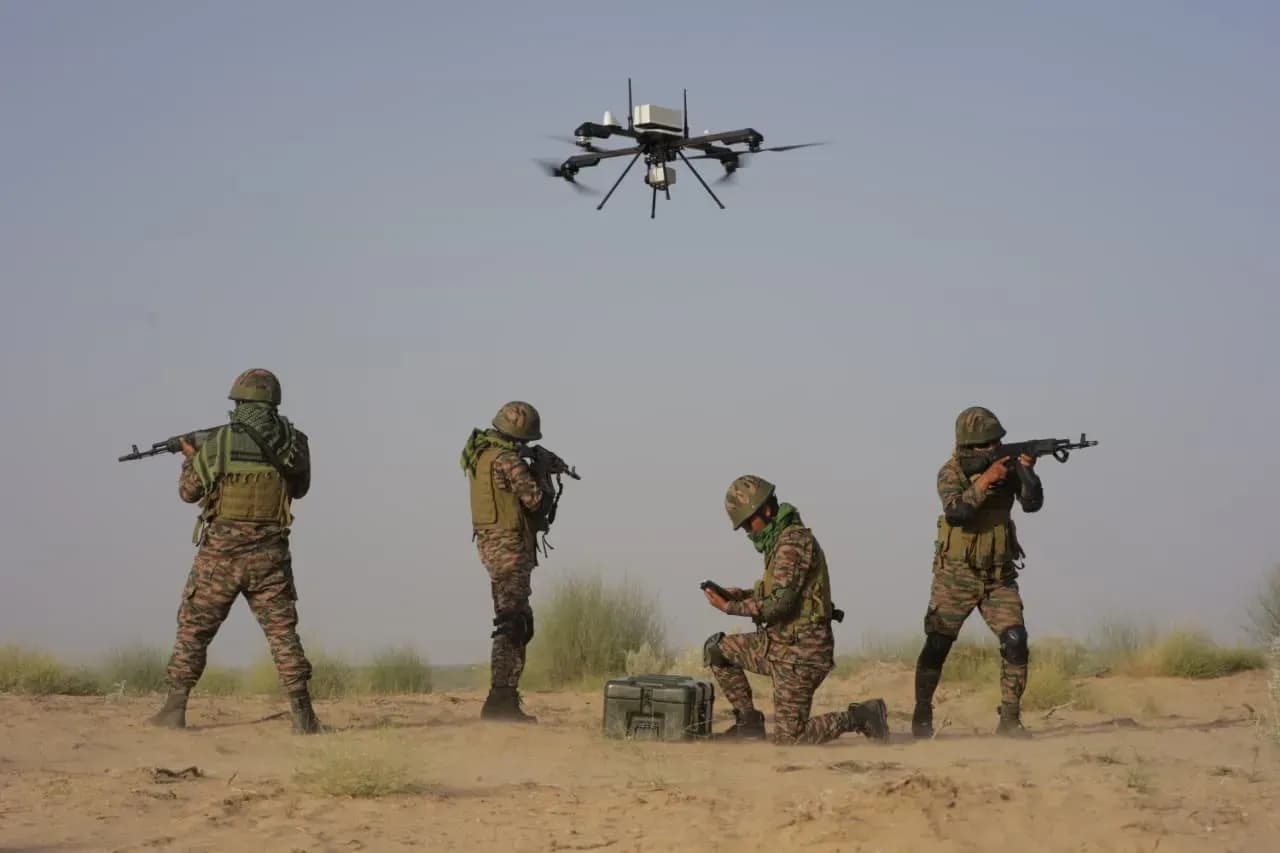
From Drone Warfare to Critical Minerals: India's Evolving Defence Priorities
The article examines how emerging technologies are transforming modern warfare and why India must strengthen its defence self-reliance to address evolving security challenges. Drawing on the observations of Chief of Defence Staff General NS Raja Subramani at the ANI National Security Summit 3.0, it highlights the growing importance of indigenous drone manufacturing, counter-drone systems, artificial intelligence, network-centric warfare and critical mineral supply chains. It also explores government initiatives such as Innovations for Defence Excellence (iDEX) and the National Critical Mineral Mission (NCMM), while examining challenges related to technological dependence, domestic manufacturing capacity, research funding and supply-chain resilience. The article argues that India's future military preparedness will depend not merely on acquiring advanced weapons platforms but on developing indigenous technologies, strengthening industrial capabilities and ensuring long-term strategic autonomy.
7 min read
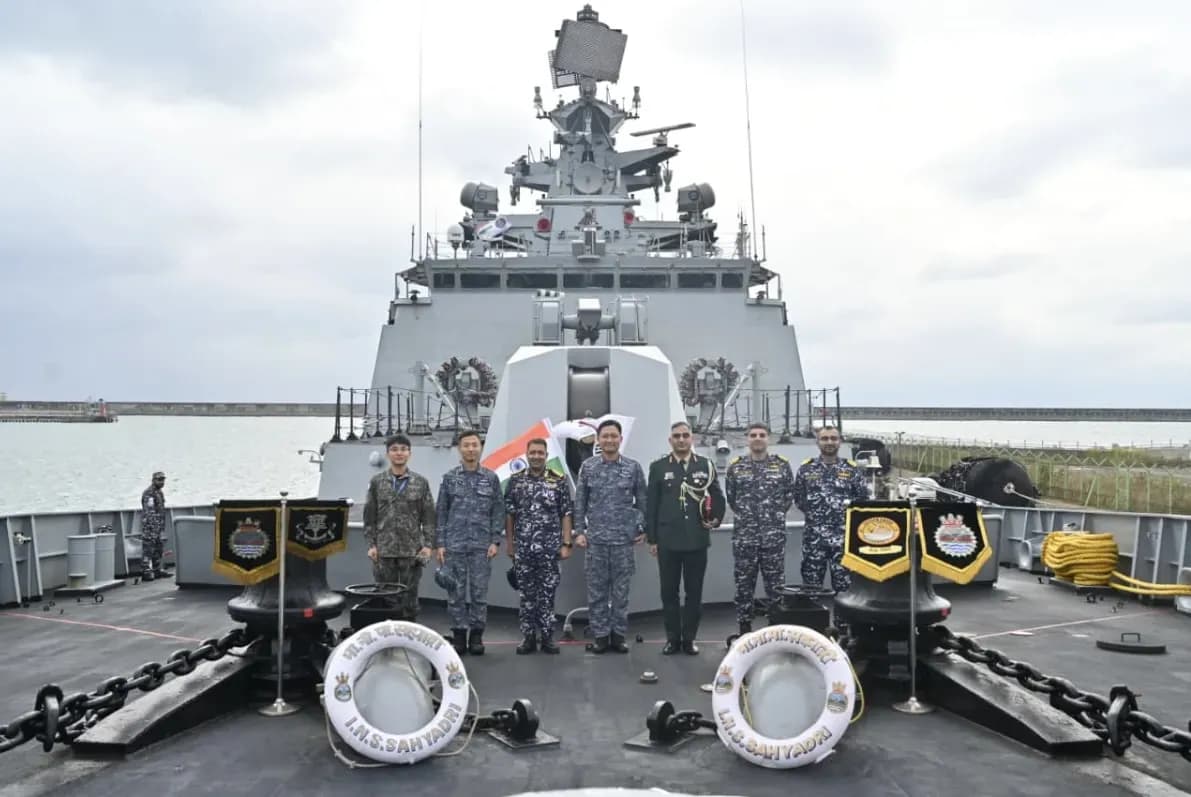
India–South Korea Maritime Cooperation: INS Sahyadri's Naval Engagement at Busan
The article examines the growing maritime and defence partnership between India and South Korea, focusing on INS Sahyadri's participation in the India–Republic of Korea Navy Bilateral Exercise at Busan in October 2026. It highlights the strategic importance of the exercise in strengthening naval interoperability, operational coordination and maritime security across the Indo-Pacific. The article also explores the broader defence relationship between the two countries, including defence manufacturing cooperation, technology partnerships and India's Act East Policy, while examining shared concerns over regional security and China's expanding naval presence. It discusses challenges arising from differing strategic priorities, technology transfer and geopolitical considerations. Ultimately, it argues that sustained naval exercises, maritime information-sharing and defence industrial collaboration can strengthen India's regional maritime presence and contribute to a stable, secure and rules-based Indo-Pacific.
8 min read
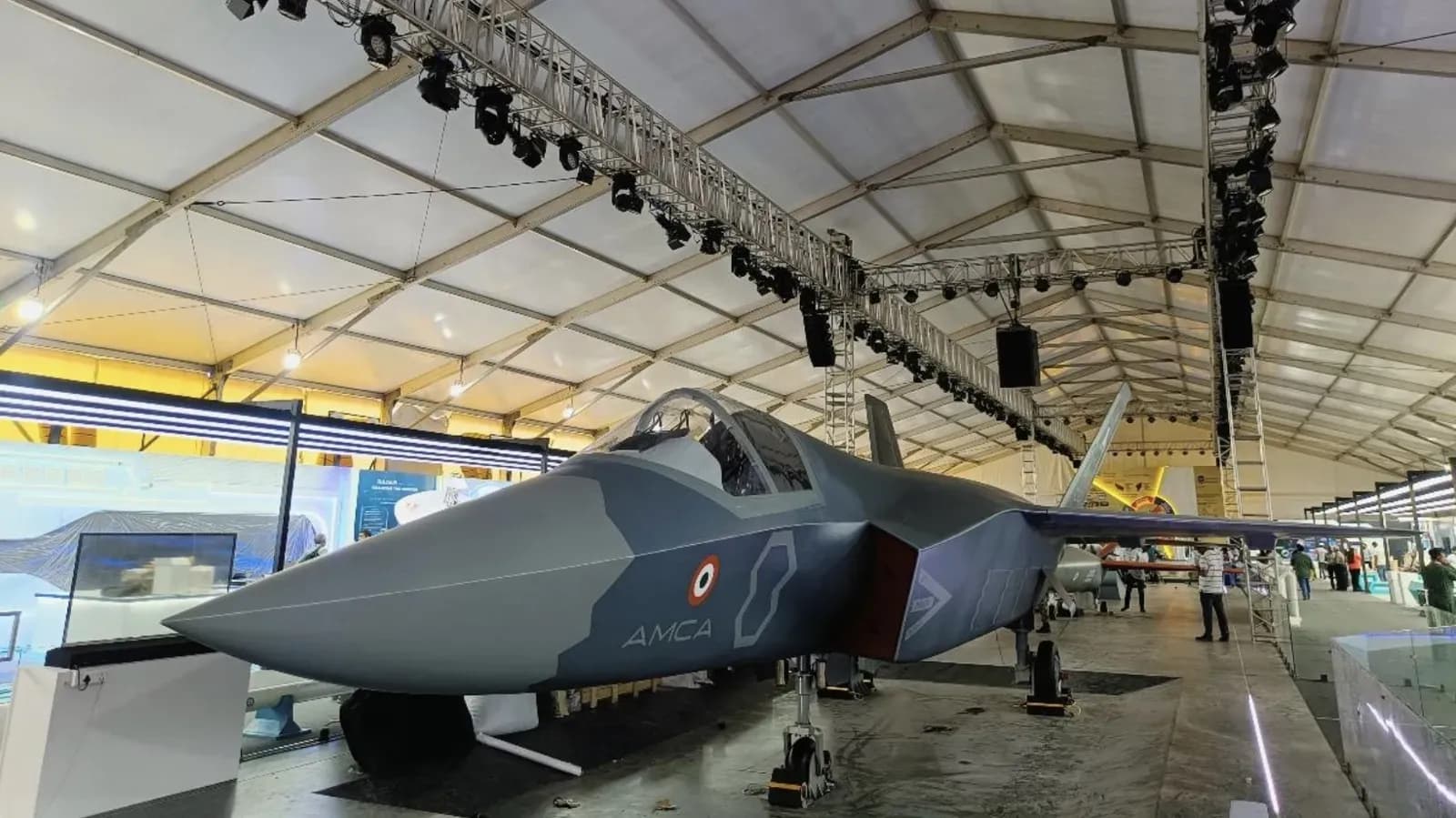
India's Sixth-Generation Fighter Ambitions: A New Chapter in Defence Modernisation.
The article explores India's roadmap towards developing sixth-generation fighter aircraft capabilities amid the rapid transformation of aerial warfare through artificial intelligence, autonomous combat systems, stealth technology and advanced sensors. It examines the Advanced Medium Combat Aircraft (AMCA) programme as a foundation for future aerospace development, alongside India's efforts to explore participation in France's Future Combat Air System (FCAS) programme. The article highlights the strategic importance of next-generation airpower in addressing China's growing aerospace capabilities, while examining key challenges such as indigenous engine development, defence research funding, technological self-reliance and industrial capacity. It argues that India's long-term success in sixth-generation airpower will depend on sustained investment, indigenous innovation and international collaboration to strengthen its strategic autonomy.
10 min read