Opinion
India's Defence Industry Gets a Titanium Boost as PTC Industries Secures 400-Tonne Order
PTC Industries has secured a defence-sector contract to supply approximately 400 tonnes of titanium ingots, bars and rods, with execution scheduled over 12 months. The order, announced on 23 November 2026, highlights the growing role of domestic advanced-material manufacturing in India's defence industry. Titanium's strength, low density and corrosion resistance make it valuable for aerospace and other critical applications. Through its subsidiary Aerolloy Technologies, PTC is expanding its capabilities in titanium and superalloy manufacturing. The development comes as India's defence production reached a record ₹1.78 lakh crore in FY2025–26, with the private sector contributing around 24%. While the contract's financial value remains undisclosed, it highlights opportunities in high-value manufacturing, strategic supply chains and reducing dependence on foreign suppliers.
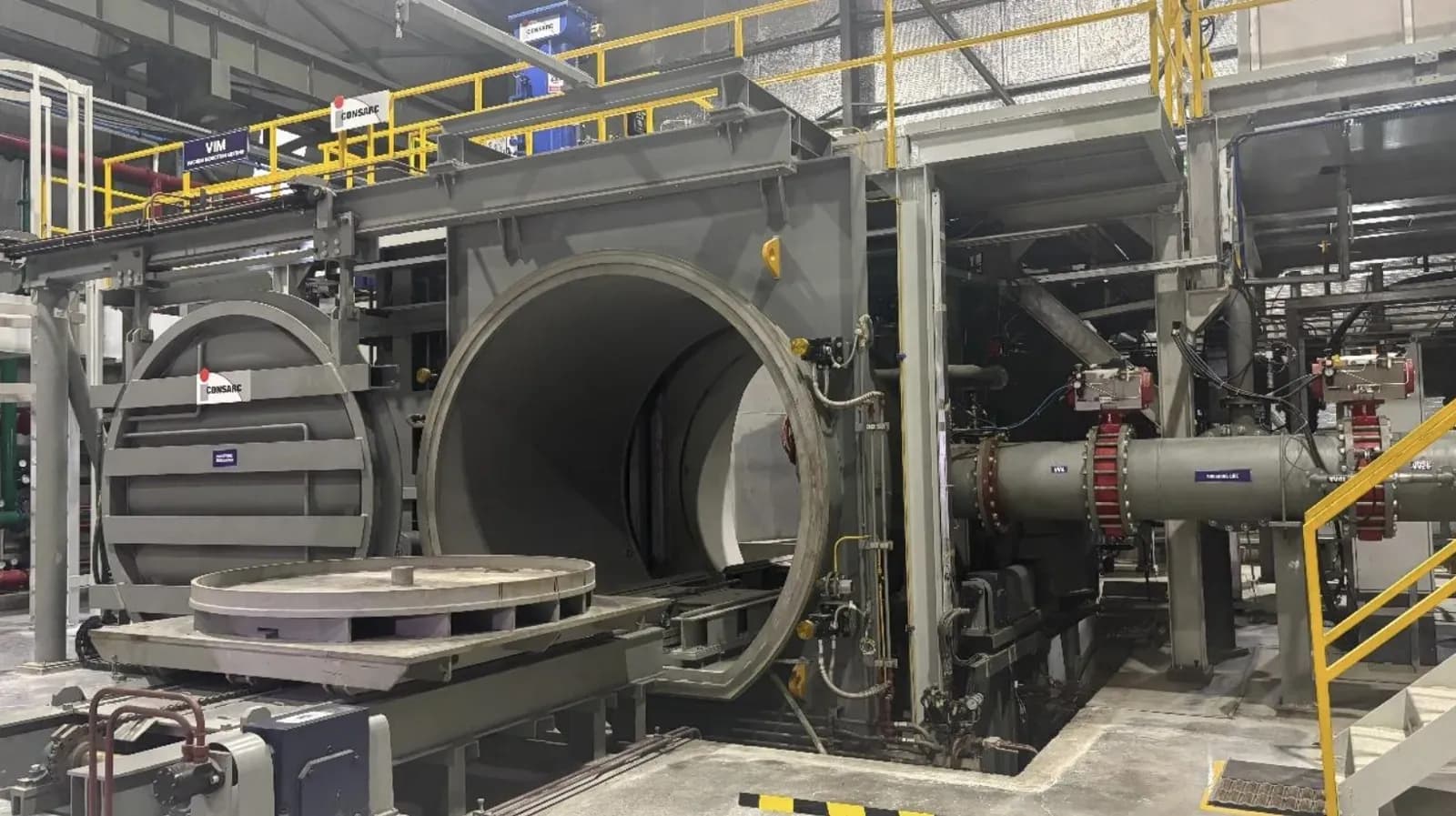
The 12-month contract highlights the growing importance of domestic advanced-material manufacturing as India expands its defence industrial base and seeks to strengthen strategic supply chains.
India's defence manufacturing ambitions are increasingly extending beyond fighter aircraft, missiles and warships to the specialised materials that make these systems possible. A new order secured by PTC Industries illustrates this shift. On November 23, 2026, the company announced that it had received a contract from the Indian Defence Sector to supply approximately 400 tonnes of titanium ingots, bars and rods for critical defence applications.
The contract is scheduled to be executed over 12 months. While the quantity and delivery period have been disclosed, the company has not revealed the financial value of the order, citing strategic and confidentiality considerations. The identity of the awarding entity has also not been specified beyond the description “Indian Defence Sector”.
Although the announcement does not disclose the systems in which the material will be used, it brings attention to an important part of India's defence economy: the domestic production of advanced engineering materials.
Why Titanium Matters to Defence Manufacturing
Titanium is valued in defence and aerospace manufacturing for its combination of high strength, relatively low density and resistance to corrosion. These properties make it suitable for applications where components must withstand demanding operating conditions without adding excessive weight.
According to PTC Industries, the products supplied under this contract are intended for defence systems requiring strength, corrosion resistance, dimensional stability and long-term operational reliability. Titanium also has applications across the aerospace, marine and nuclear sectors.
The economic importance of such materials lies in their position within the manufacturing supply chain. Producing sophisticated military platforms domestically requires more than assembling imported or locally manufactured components. It also requires access to specialised metals, alloys, processing technologies, testing facilities and skilled industrial expertise.
Developing these capabilities within India can strengthen the domestic supplier base and improve control over material quality, traceability and supply reliability.
PTC Industries' Investment in Advanced Materials
PTC Industries has been expanding its presence in advanced materials through its wholly owned subsidiary, Aerolloy Technologies Limited. The company says its investments cover specialised alloy melting and ingot production, forging, mill products, precision casting, inspection and testing.
This integrated approach is significant because advanced-material manufacturing involves several technically demanding stages. Building capabilities across these processes can help domestic manufacturers move beyond basic component production towards higher-value industrial activities.
The latest defence contract adds to PTC's defence order book and provides a commercial indication of demand for its titanium products. However, the company has not disclosed the order's value or its expected contribution to revenue and profitability. It would therefore be premature to estimate the financial impact on the company's performance.
A Growing Market for India's Defence Manufacturers
The order comes at a time when India's defence manufacturing ecosystem is expanding. According to the Ministry of Defence, domestic defence production reached a record ₹1.78 lakh crore in FY2025–26, registering 15.6% growth over ₹1.54 lakh crore in the previous financial year.
The private sector contributed approximately 24% of total defence production, equivalent to around ₹42,000 crore. Defence exports also reached a record ₹38,424 crore during FY2025–26.
These figures indicate that private companies are becoming an increasingly important part of India's defence industrial base. The opportunity extends beyond large defence platforms to specialised suppliers involved in materials, electronics, precision engineering, components and maintenance.
For companies such as PTC Industries, this creates an opportunity to participate in the higher-value segments of the manufacturing ecosystem. Demand for domestically produced strategic materials could also encourage investment in metallurgical research, industrial equipment, quality assurance and specialised workforce development.
Import Substitution and the Supply-Chain Challenge
One of the central objectives of India's defence manufacturing policy is to reduce dependence on foreign suppliers for strategically important equipment and components. The domestic production of titanium products can contribute to this objective by creating additional sourcing options within the country.
However, a single contract should not be interpreted as evidence that India's dependence on imported titanium has been eliminated or significantly reduced. The announcement does not provide comparative import figures, the domestic share of titanium consumption or the quantity of imports that this order may replace.
Building a competitive domestic materials industry also requires sustained investment, reliable access to raw materials, advanced processing technology, stringent quality standards and consistent demand. Manufacturers must demonstrate that domestic products can meet the technical and delivery requirements of defence and aerospace customers.
The scale of the opportunity will therefore depend not only on individual orders but also on the ability of Indian companies to build commercially viable manufacturing capabilities over the long term.
Beyond Weapons: The Economics of Strategic Materials
PTC Industries' 400-tonne titanium contract highlights an important dimension of India's defence modernisation: strategic independence also depends on the industrial materials and manufacturing processes behind military equipment.
For the Indian economy, expanding domestic advanced-material capabilities could support higher-value manufacturing, strengthen supplier networks and create opportunities for specialised industrial investment. It could also improve the resilience of defence supply chains, provided domestic manufacturers can meet quality, cost and delivery requirements.
The undisclosed contract value means its immediate financial contribution cannot yet be measured. Nevertheless, the announcement offers a clear example of how India's defence manufacturing ambitions are creating opportunities beyond finished weapons and platforms.
As the country seeks to build a stronger domestic defence industry, the ability to manufacture critical materials such as titanium may become just as important as the ability to assemble the systems in which they are used.
More to read

Defence
India–US Defence Partnership: How Joint Manufacturing and Ship Repairs Are Creating New Business Opportunities

Defence
India’s Defence and Economic Rise Takes Centre Stage as US Report Highlights China-Pakistan Ties

Defence