Opinion
India's Heritage Economy: Unlocking the Economic Potential of Cultural Assets
India's cultural heritage can become a significant driver of economic growth through heritage tourism, local employment, conservation investment and the digitisation of historical manuscripts. The article examines how strategic infrastructure, community participation and cultural industries can generate economic opportunities while supporting regional development. It also highlights the need to balance tourism revenue with sustainable preservation to ensure that India's heritage remains an asset for future generations.
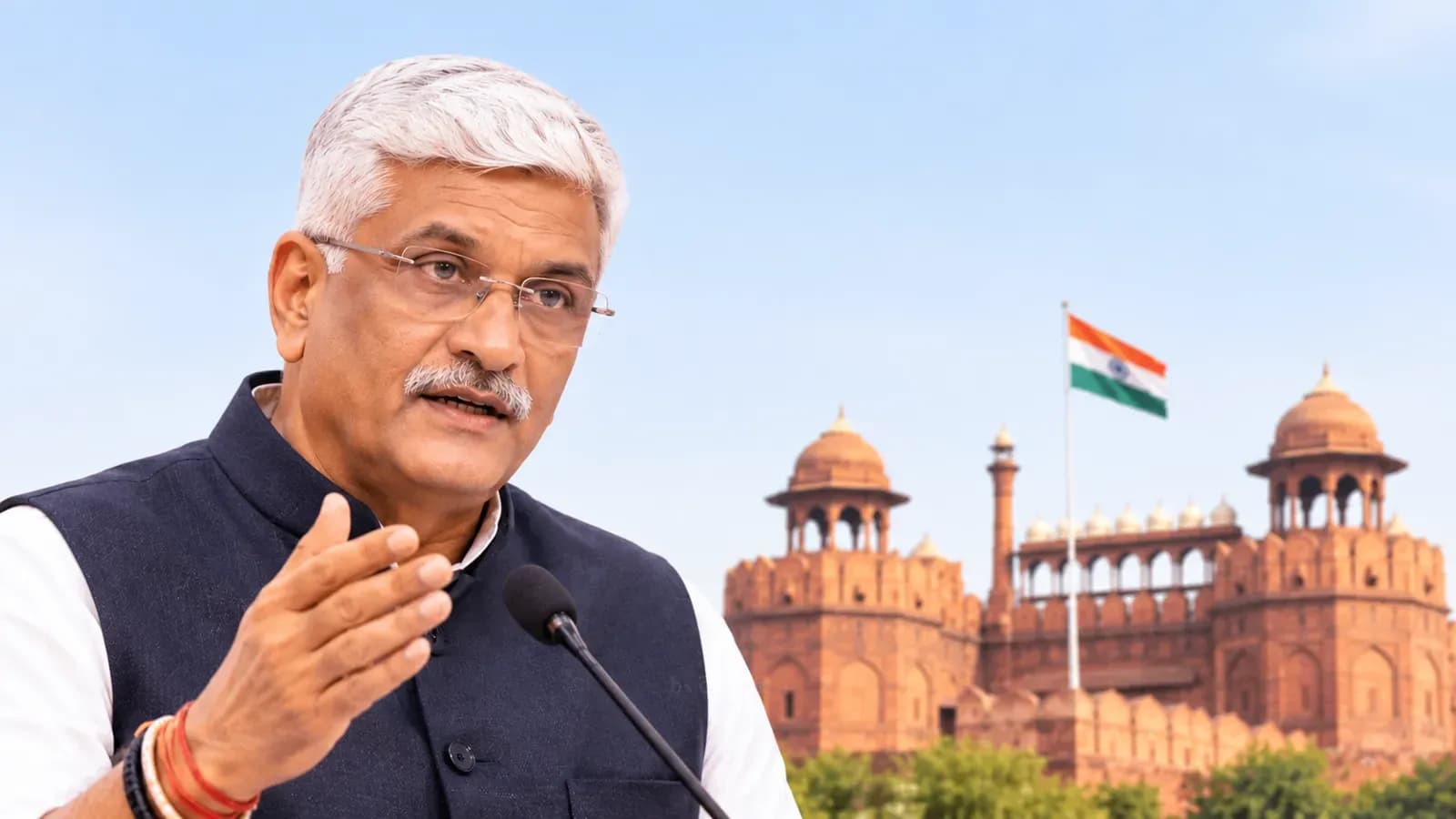
India's historical monuments, traditional crafts and manuscript heritage are more than cultural assets. With strategic investment, they can support tourism, create local employment and generate new opportunities in the knowledge economy.
In his Dainik Jagran editorial, “Virasat Ko Sahejane Ke Saath Samjhein Bhi” (Understanding Heritage Alongside Preserving It), Gajendra Singh Shekhawat, Union Minister of Culture and Tourism, Government of India, highlights the importance of understanding, researching and preserving India's heritage.
Heritage tourism: Turning visitors into local economic activity
India's heritage sites attract visitors, but their economic value extends far beyond ticket sales. A tourist visiting a historical monument may also spend on accommodation, transport, restaurants, local guides, handicrafts and other services. This creates a chain of economic activity that can benefit small businesses and communities around heritage destinations.
The broader tourism sector already has a substantial economic footprint. According to the Ministry of Tourism, tourism contributed an estimated 5.22% of India's GDP in 2023–24, equivalent to approximately ₹15.73 lakh crore. It supported around 84.63 million direct and indirect jobs during the same period, according to estimates based on the Periodic Labour Force Survey.
These figures cover the entire tourism sector, not heritage tourism alone. However, they demonstrate the economic scale of the industry within which historical sites, pilgrimage centres and cultural destinations operate.
The opportunity is to ensure that more of this spending reaches local economies. Homestays, community-run tourism services, traditional food businesses, craft markets and trained local guides can help distribute tourism income beyond major hotels and tour operators.
Connecting Heritage Preservation with Tourism Infrastructure
Conservation is often viewed as a government expenditure, but well-planned restoration can also support long-term economic activity. A monument that is structurally protected, accessible and supported by appropriate visitor facilities can become a sustainable destination.
India has 3,686 centrally protected monuments under the Archaeological Survey of India (ASI), as of April 2026. The government allocated approximately ₹374 crore for their conservation and maintenance in 2024–25. Actual expenditure on conservation of protected monuments during that financial year was reported at ₹313.04 crore.
Investment in conservation must therefore be accompanied by better connectivity, sanitation, signage, security, accessibility and interpretation facilities. Without these supporting services, even historically significant locations may struggle to attract visitors or encourage longer stays.
The government's heritage-linked tourism programmes offer examples of this integrated approach. Under the PRASHAD scheme, 54 projects had been sanctioned across 28 States and Union Territories by February 2026, with an estimated project cost of approximately ₹1,726.74 crore. The programme focuses on improving infrastructure and visitor facilities at pilgrimage and heritage destinations.
The economic objective should not simply be to increase footfall. It should be to create destinations where visitors spend meaningfully, local businesses participate and conservation remains adequately funded.
The employment potential of India's cultural economy
Heritage tourism can support a diverse range of occupations, including conservation specialists, architects, archaeologists, historians, tour operators, hospitality workers, transport providers, performers and artisans.
Traditional crafts are particularly important because they connect cultural preservation with household income and small-scale enterprise. Visitors who purchase locally made textiles, pottery, paintings or handicrafts contribute directly to the livelihoods of artisans.
However, this potential requires organised market access, quality standards, digital promotion, training and fair compensation. Without these measures, tourism growth may benefit large commercial operators more than the communities whose traditions make destinations distinctive.
Regional development is another important consideration. Heritage destinations in smaller towns and rural areas can attract investment in roads, public transport, accommodation and basic services. This can strengthen local economies while reducing the concentration of tourism activity in a few major cities.
Digitising manuscripts: A new opportunity for the knowledge economy
India's heritage economy is not limited to physical monuments. Manuscripts, historical records, languages and traditional knowledge also hold considerable research and economic potential.
The Gyan Bharatam Mission, announced in the Union Budget 2025–26, aims to survey, document, conserve and digitise more than one crore manuscripts. The Standing Finance Committee has sanctioned ₹491.66 crore for the initiative for 2025–2031.
According to the Ministry of Culture's August 2026 update, more than 1.19 crore manuscripts had been reported through the National Manuscript Survey. More than eight lakh digitised manuscripts were available across the country, while over 4.40 lakh were accessible through the Gyan Bharatam portal in view mode.
Digitisation can create opportunities beyond preservation. Properly catalogued and accessible material can support academic research, translation, publishing, digital archives, educational platforms and technology-assisted language research. It can also encourage collaboration between universities, libraries, museums and technology institutions.
These are emerging opportunities rather than guaranteed commercial returns. Their economic value will depend on research quality, accessibility, copyright safeguards, institutional partnerships and the development of useful digital services.
Challenges
A heritage-led economy cannot be measured only by visitor numbers or revenue. Excessive construction, overcrowding, pollution and poorly regulated commercial activity can damage the very assets that attract visitors.
Sustainable tourism requires carrying-capacity assessments, responsible waste management, controlled development around protected sites and meaningful participation by local communities. Revenue generated from heritage destinations should also contribute, where appropriate, to their upkeep and conservation.
India's Adopt a Heritage 2.0 programme, which encourages collaboration with private organisations and other stakeholders to improve visitor amenities at protected monuments, reflects one approach to shared responsibility. By March 2026, 30 memorandums of understanding had been signed under the programme.
From cultural preservation to economic value
India's heritage can contribute to economic growth through several connected channels: tourism spending, local employment, infrastructure development, cultural industries and knowledge-based innovation. The challenge is to build these connections without reducing heritage to a commercial product.
As Gajendra Singh Shekhawat's editorial underlines, preserving heritage must go hand in hand with understanding it. An economically sustainable heritage strategy requires the same principle: conservation, research and community participation must remain central to development.
India's historical legacy is an asset that cannot be recreated once lost. With careful investment and responsible management, protecting it can also support livelihoods, strengthen regional economies and create opportunities for future generations.