Kumar Mangalam Birla: taking charge at 28 and building a global group
Thrust into the chair of the Aditya Birla Group in 1995 after his father's death, Birla turned a domestic conglomerate into a multinational through bold acquisitions.
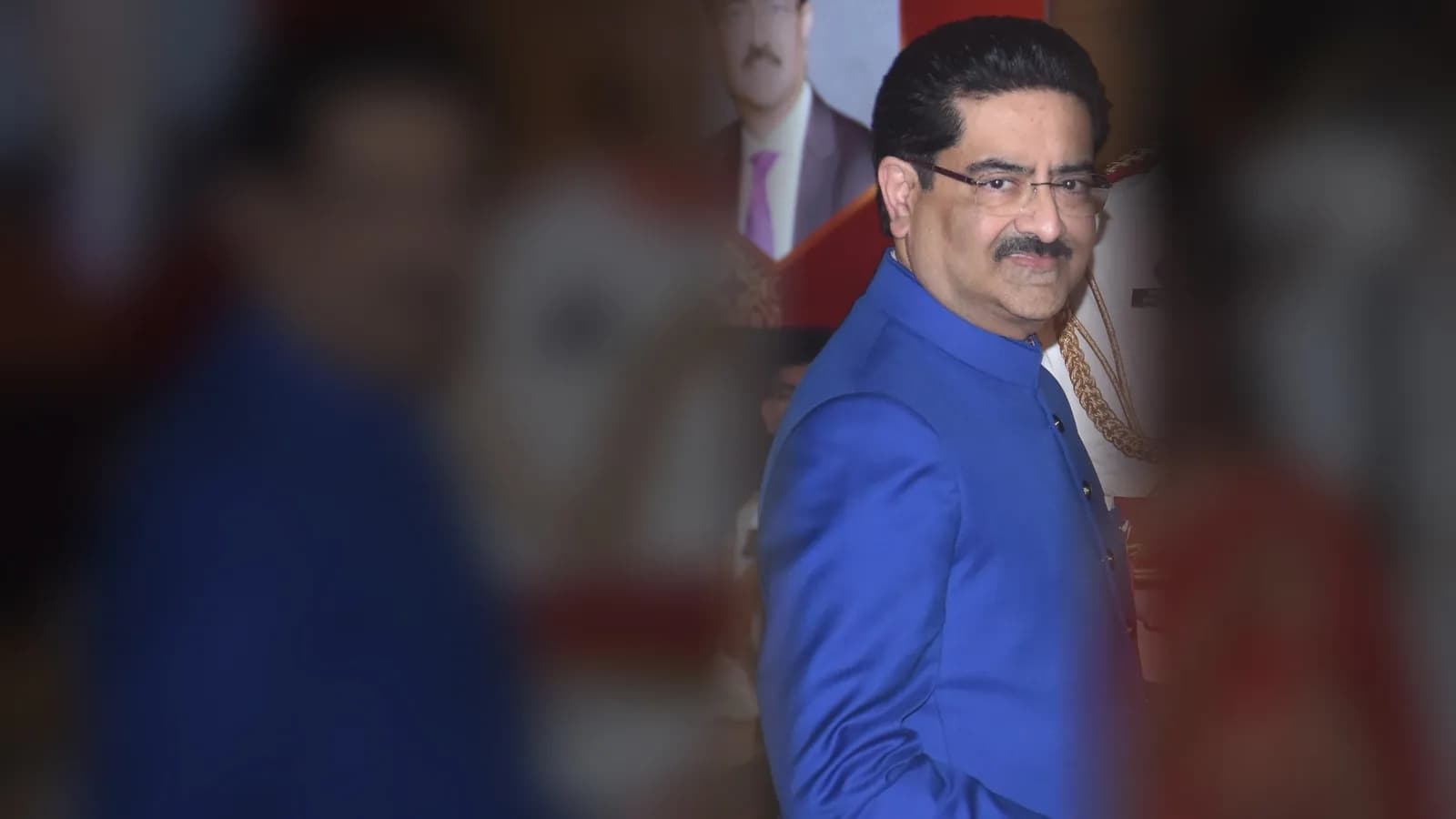
In 1995 Kumar Mangalam Birla was 28, a chartered accountant with an MBA from the London Business School, when his father Aditya Vikram Birla died of cancer. Almost overnight he became chairman of one of India's oldest business houses.
A young chairman proves himself
Many doubted that a young heir could manage a sprawling group. Birla's response was to modernise. He brought in professional managers, introduced performance-based pay and sharpened the group's focus on businesses where it could lead, such as metals, cement, chemicals and textiles.
Going global through acquisitions
Birla used acquisitions to build scale. In 2004 the group bought Larsen & Toubro's cement business, which became part of UltraTech, now India's largest cement company. In 2007 Hindalco acquired Novelis, a North American aluminium rolling company, for about $6 billion, one of the largest overseas deals by an Indian company at the time. It turned Hindalco into a global leader in aluminium rolled products.
Birla's approach: buy leadership positions in core industries, then run them with professional discipline.
Into consumer businesses
Under his leadership the group also moved closer to consumers, with fashion and retail through Aditya Birla Fashion and Retail, financial services through Aditya Birla Capital, and, more recently, a large entry into decorative paints under the Birla Opus brand.
Not every bet has been easy. The group is a major shareholder in Vodafone Idea, a telecom business that has faced heavy losses and debt in a fiercely competitive market.
Recognition
Birla received the Padma Bhushan in 2023. Over three decades he has transformed a largely domestic conglomerate into a multinational with operations in dozens of countries, a reminder that inherited businesses can be reinvented rather than simply preserved.
More to read
Business Leaders
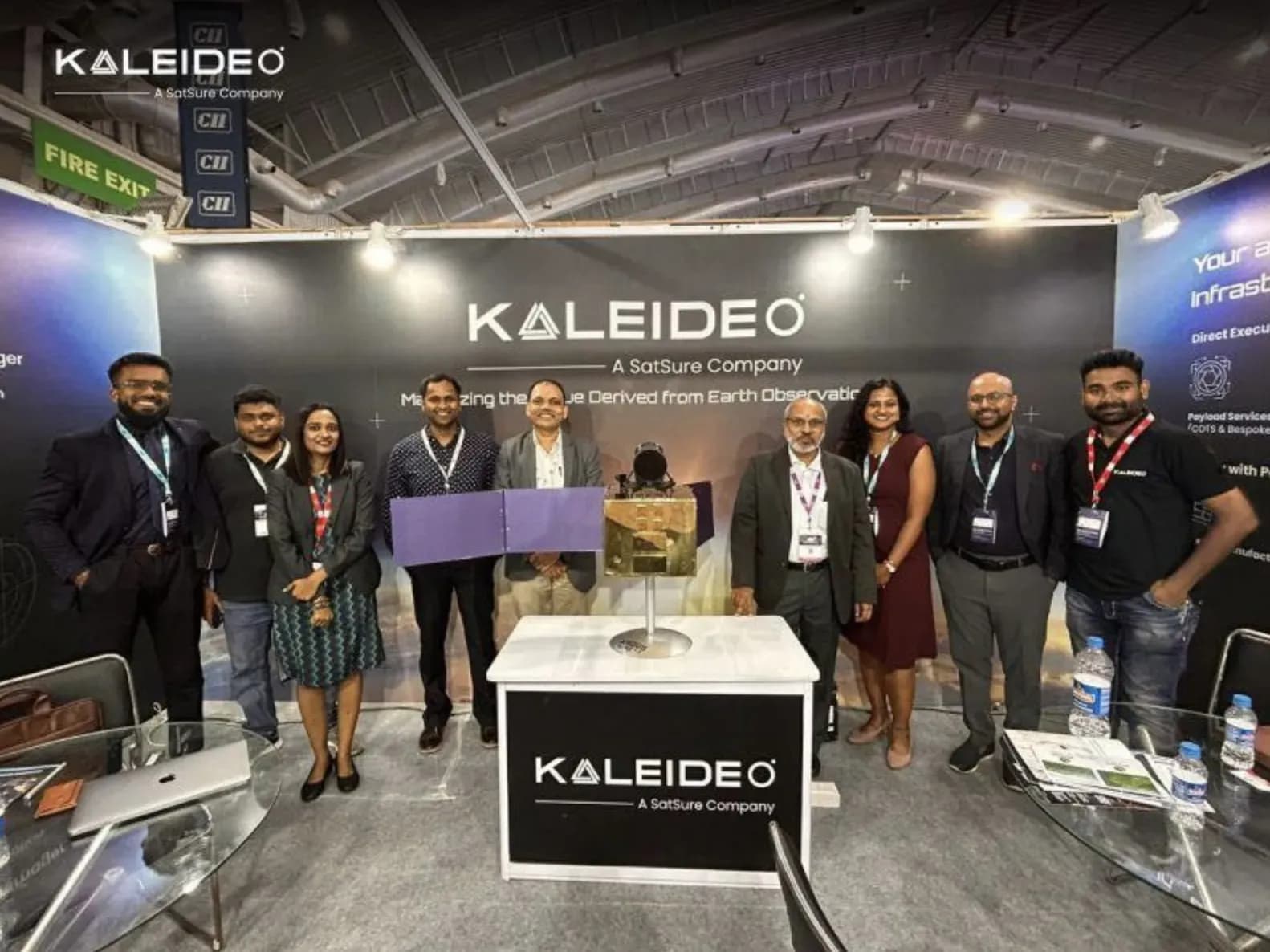
SatSure Raises ₹60 Crore: How India's Space-Tech Startups Are Turning Satellite Data into Business Opportunities
Business Leaders
From a carpenter's son to a leader in India's luxury interior industry: the extraordinary journey of Punamchand D. Kularia
Business Leaders