Shiv Nadar: from a garage start-up to an IT giant and India's leading philanthropist
The HCL founder helped build India's computer industry from scratch, then devoted much of his wealth to education through the Shiv Nadar Foundation.
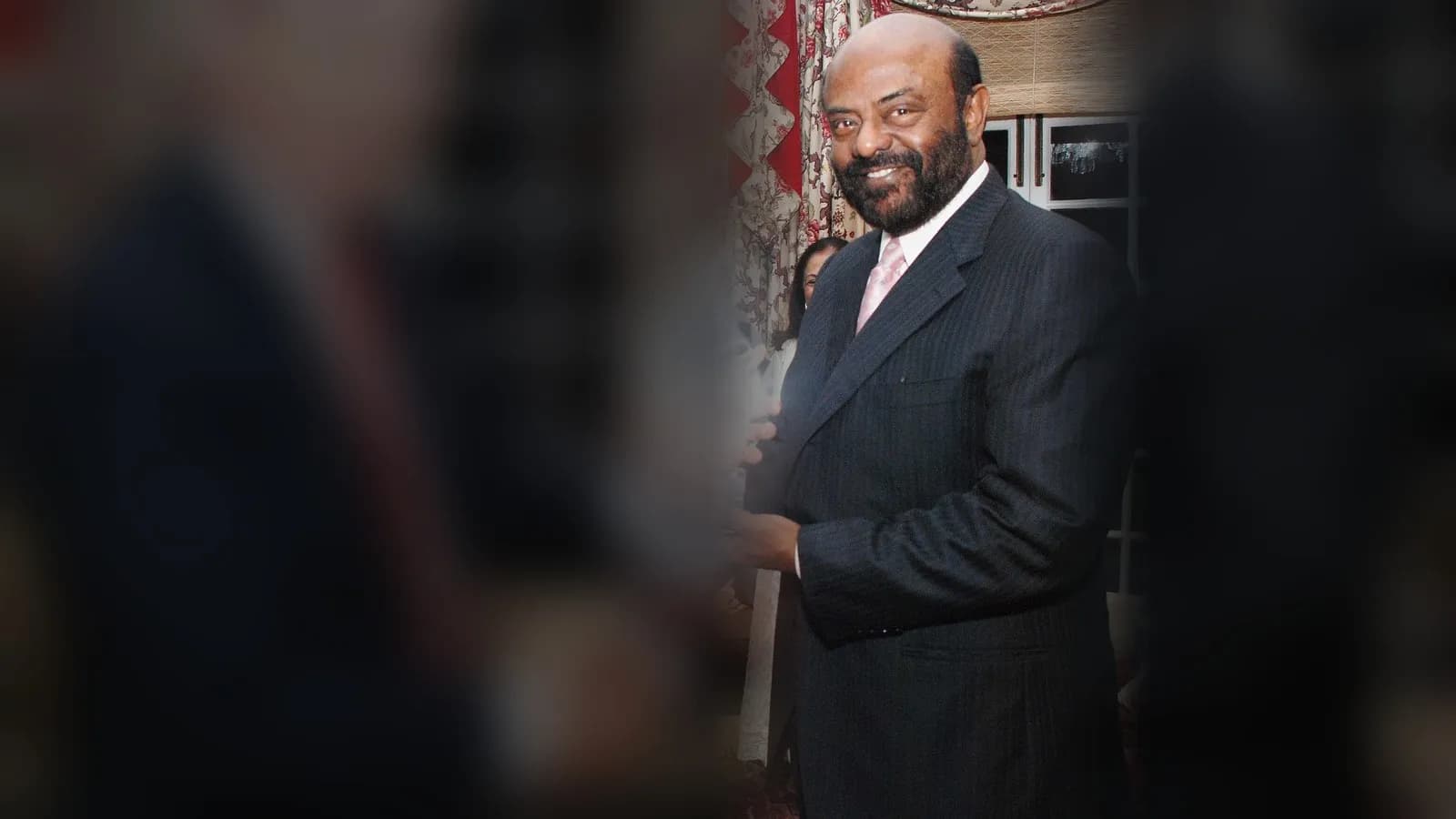
In 1976 Shiv Nadar, an engineer from Tamil Nadu, left his job at DCM along with a small group of colleagues to start a company that would make computers in India. That company, Hindustan Computers Limited, later known as HCL, became one of the pioneers of the Indian technology industry.
Building computers when few believed it possible
Nadar was born in 1945 in Moolaipozhi, a village in Tamil Nadu, and studied engineering at PSG College of Technology in Coimbatore. At HCL he and his partners first sold calculators and then built some of India's earliest indigenous computers, at a time when imports were restricted and the market was tiny.
The shift to services
As the global technology market changed, HCL moved into software and IT services. HCL Technologies grew into one of India's largest IT companies, serving large corporations around the world with engineering, software and infrastructure services.
Nadar's career shows the value of reinventing a business before the market forces it.
Giving back through education
In 1994 Nadar set up the Shiv Nadar Foundation, which focuses on education. It runs institutions including SSN College of Engineering in Chennai and Shiv Nadar University, along with programmes for talented students from rural areas. He is consistently ranked among India's most generous philanthropists.
A planned succession
In July 2020 Nadar stepped down as chairman of HCL Technologies and his daughter, Roshni Nadar Malhotra, took over. In March 2025 he went further, gifting her 47% of his stake in the family holding companies HCL Corporation and Vama Delhi, giving her control of the group's holdings.
Nadar received the Padma Bhushan in 2008. His story combines two lessons: build boldly in a young industry, and plan the next generation's handover just as carefully.
More to read
Business Leaders
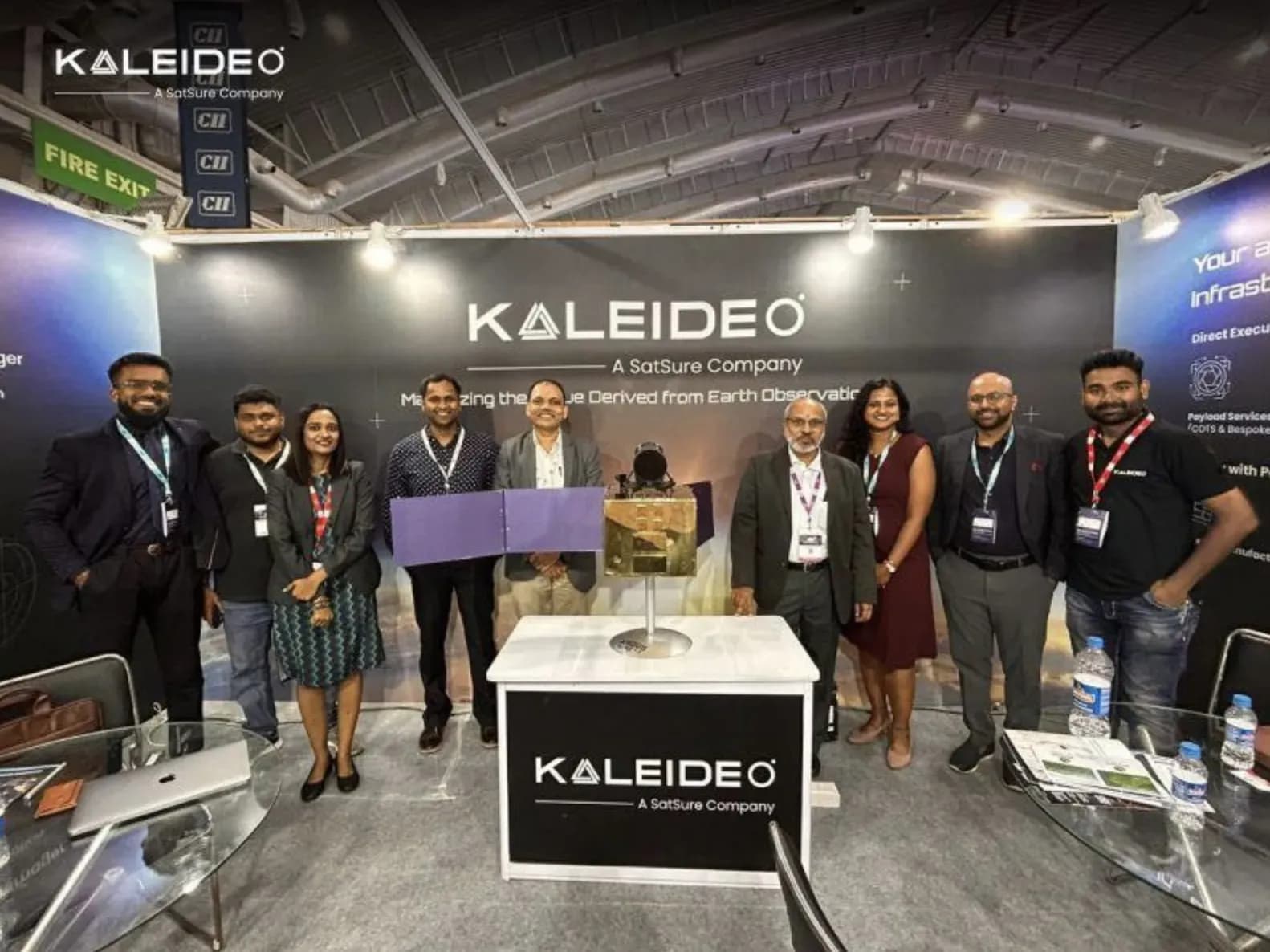
SatSure Raises ₹60 Crore: How India's Space-Tech Startups Are Turning Satellite Data into Business Opportunities
Business Leaders
From a carpenter's son to a leader in India's luxury interior industry: the extraordinary journey of Punamchand D. Kularia
Business Leaders