Sunil Bharti Mittal: from bicycle parts in Ludhiana to Airtel
Mittal started out with a loan of ₹20,000 from his father and went on to build Bharti Airtel, one of the world's largest telecom operators.
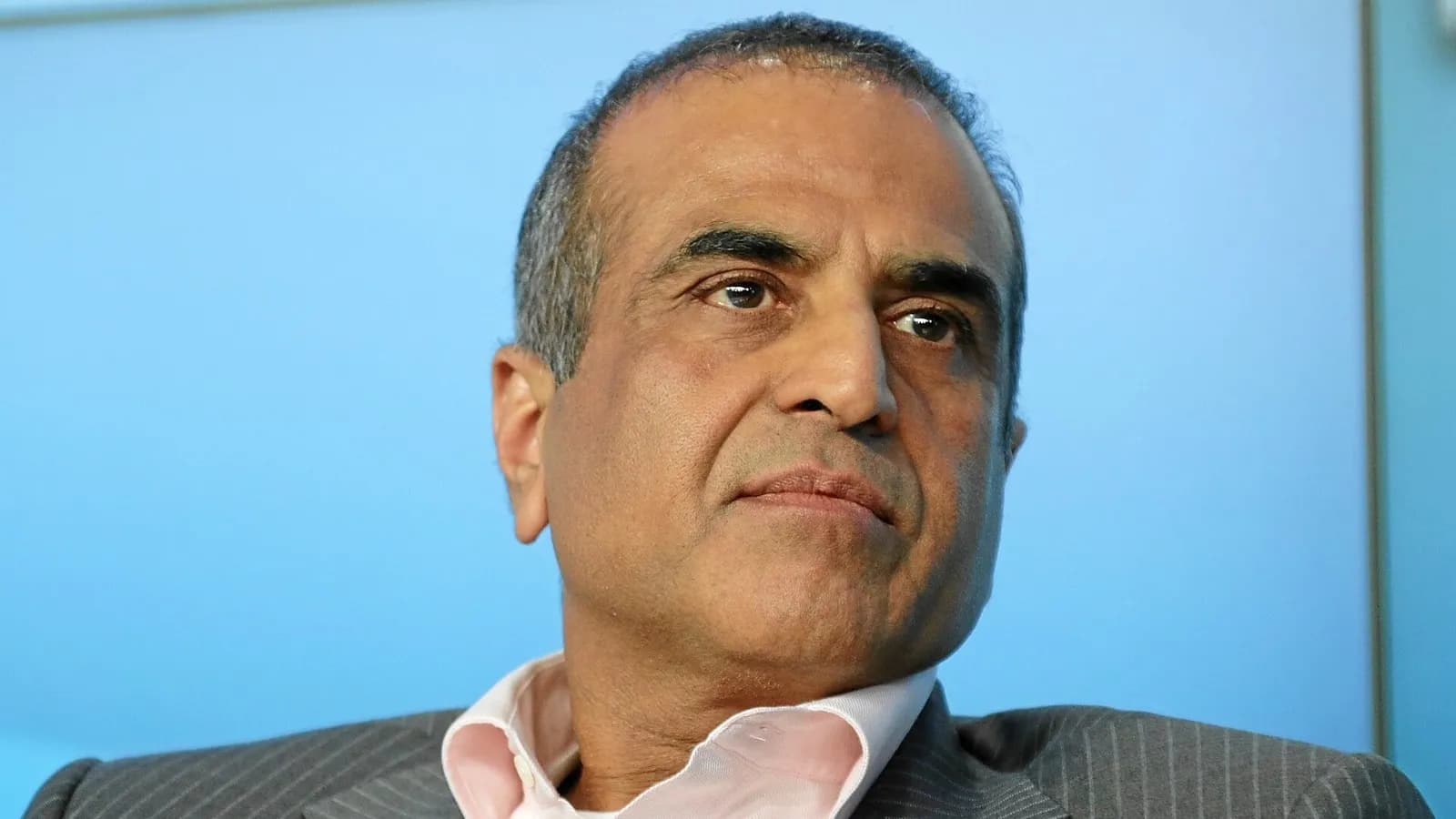
Sunil Bharti Mittal was 18 when he started his first business in 1976: making bicycle parts in Ludhiana with ₹20,000 borrowed from his father. It was the first of many pivots for an entrepreneur who would later help connect hundreds of millions of Indians.
Spotting the next opportunity
Mittal moved from bicycle parts to importing portable generators from Japan, and then into telephones. His company made push-button phones under the Beetel brand in the 1980s, when India's telephone network was just beginning to modernise.
The mobile bet
When India opened its mobile market in the 1990s, Mittal's Bharti group won a licence to offer mobile services in Delhi. Airtel launched in 1995. Mittal then expanded circle by circle, eventually covering the whole country and becoming one of India's leading telecom operators.
Mittal's career is a lesson in moving early: each new business was a step ahead of where the market was going.
Going global
In 2010 Bharti Airtel bought the African operations of Kuwait's Zain in a deal worth about $10.7 billion, giving it a presence across many African countries. The group has also invested in satellite communications through OneWeb and in 2024 became the largest shareholder in the UK's BT Group by acquiring a 24.5% stake.
A fiercely competitive market
Airtel has had to survive intense competition at home, especially after Reliance Jio's launch in 2016 sparked a price war. It responded with heavy investment in its network and in 5G services.
Mittal chairs Bharti Enterprises and Bharti Airtel and received the Padma Bhushan in 2007. His journey from a small workshop in Ludhiana to a global telecom group shows how persistence and timing can build an Indian multinational.
More to read
Business Leaders
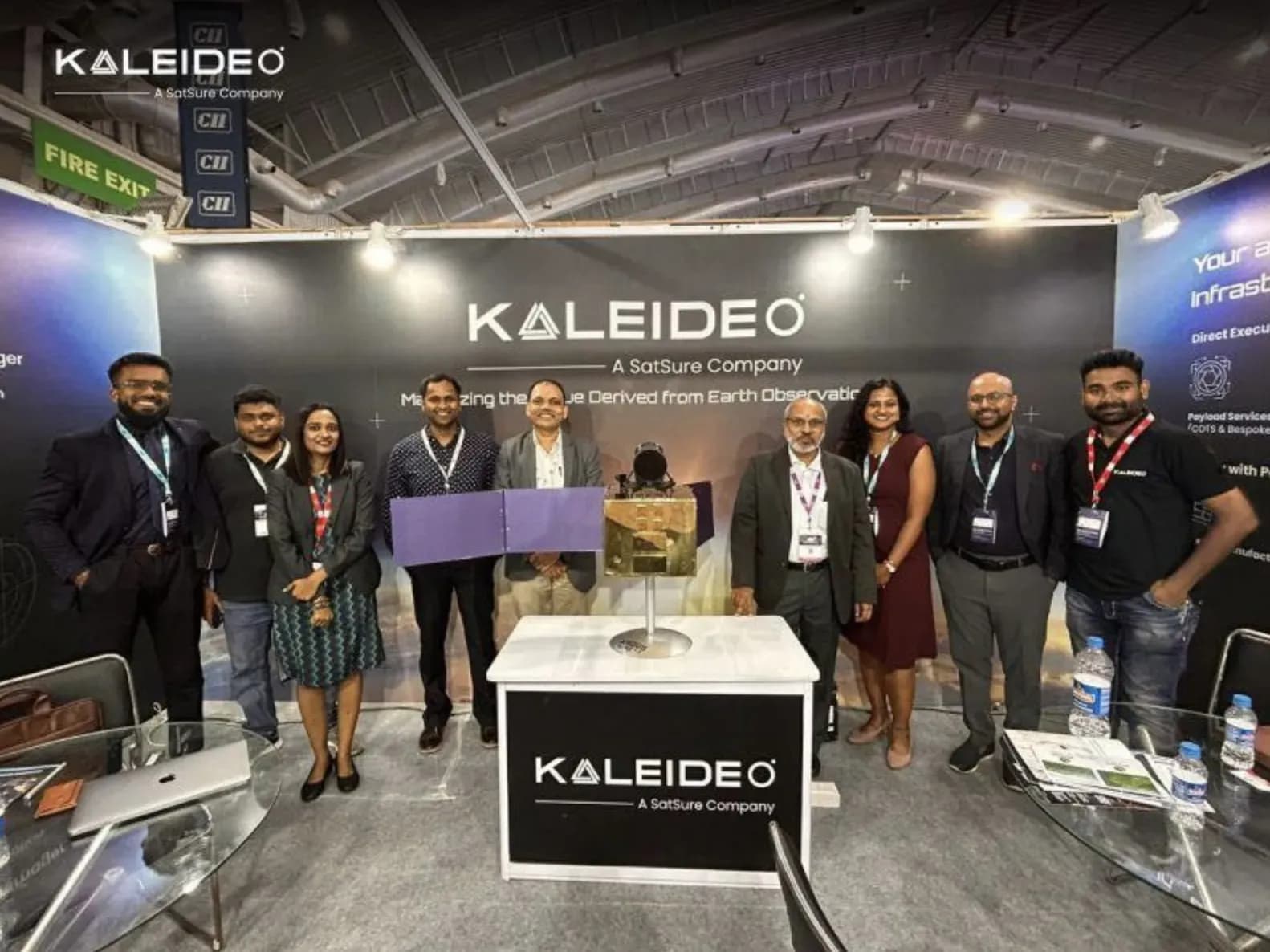
SatSure Raises ₹60 Crore: How India's Space-Tech Startups Are Turning Satellite Data into Business Opportunities
Business Leaders
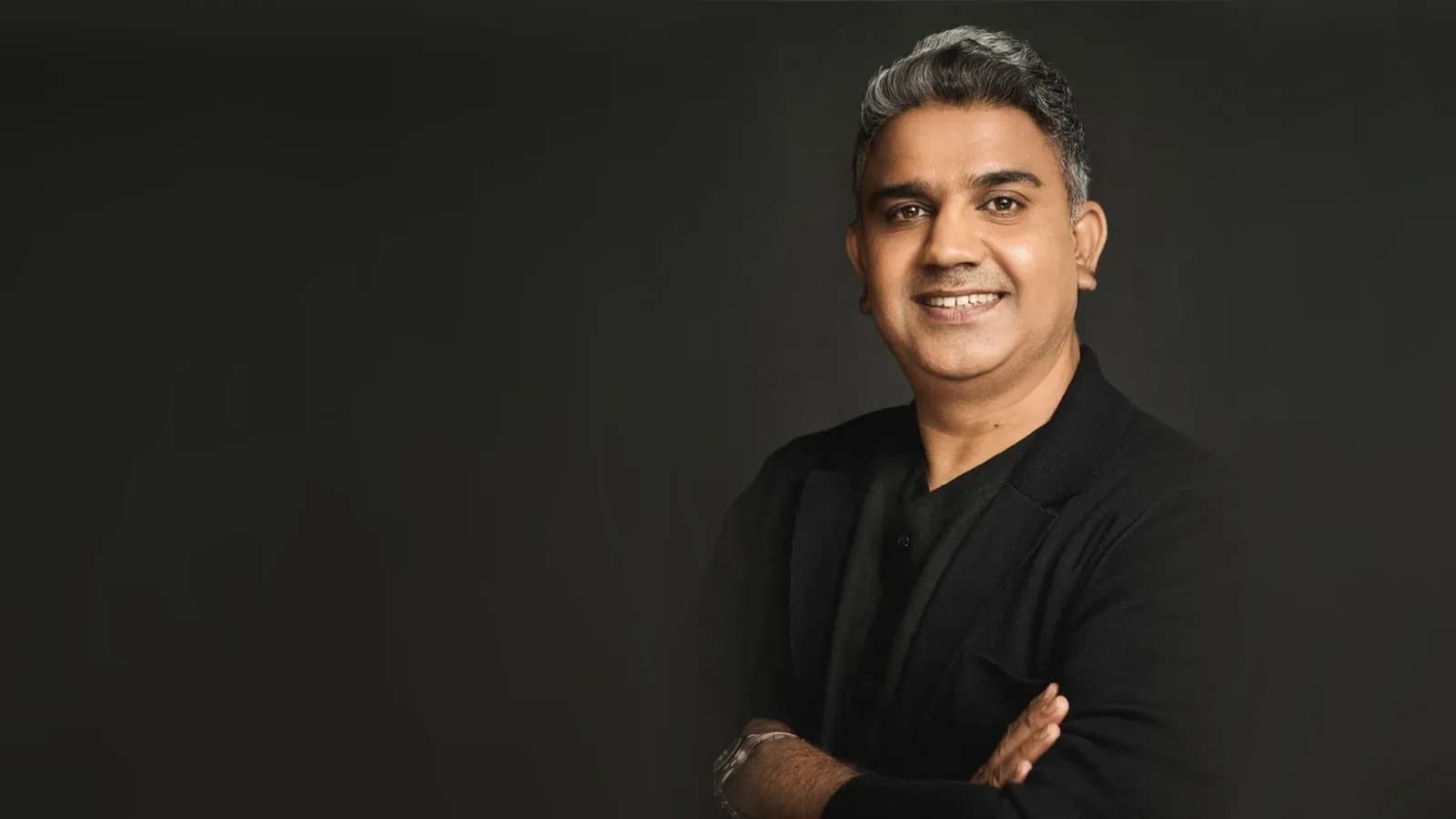
From a carpenter's son to a leader in India's luxury interior industry: the extraordinary journey of Punamchand D. Kularia
Business Leaders