Opinion
US Proposes 25% Tariffs on Indian Goods: Why Could a Trade Deal Bring the Rate Down to 17%?
Washington has proposed tariffs of up to 25% on Indian imports following investigations into alleged unfair trade practices. A potential bilateral trade agreement could reduce the proposed rate to 17%, adding another layer of uncertainty to India-US economic relations.
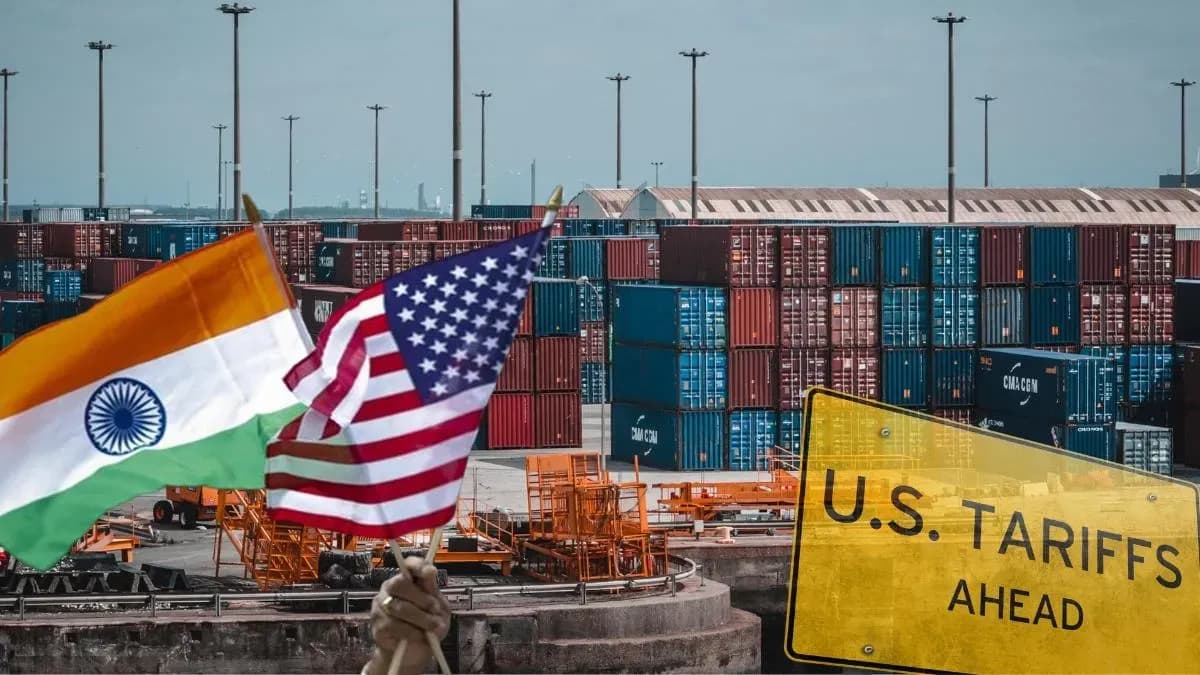
India-US trade negotiations face another challenge after the Office of the United States Trade Representative (USTR) proposed additional tariffs of up to 25% on Indian goods under Section 301 of the Trade Act of 1974.
The proposal was announced on November 25, 2026, following US investigations into alleged structural excess industrial capacity and the importation of goods produced through forced labour.
According to the USTR, certain Indian industrial policies and manufacturing practices create unfair competitive conditions for American businesses. The investigations cover concerns involving manufacturing sectors and their implications for US commercial interests.
However, the proposed tariff structure includes an important condition. Washington has indicated that the additional tariff rate could be adjusted to 17% if India and the United States conclude a formal Agreement on Reciprocal Trade addressing the concerns raised in the investigation.
This means the 25% rate is a proposal, not an already implemented tariff. The development comes at a sensitive time for bilateral economic relations. Both countries have been negotiating a trade agreement aimed at improving market access, reducing trade barriers and expanding economic cooperation.
For Indian exporters, particularly in manufacturing, pharmaceuticals, engineering goods and other internationally competitive sectors, uncertainty surrounding US tariff policy could affect pricing, investment decisions and long term supply chain arrangements.
The proposed rate also places India in comparison with other Asian manufacturing economies competing for access to the American market. Nevertheless, the issue extends beyond tariffs. India must balance access to the US market with the protection of domestic manufacturing interests and its broader industrial policy objectives. The coming negotiations will therefore determine whether the two countries can convert trade disagreements into a mutually beneficial economic partnership.
More to read
Economy
India's Heritage Economy: Unlocking the Economic Potential of Cultural Assets

Economy
SBI's ₹1.6 Crore Chief AI Officer Role: Why India's Banks Are Competing for Artificial Intelligence Leaders
Economy