Opinion
Adani's $1 Billion Copper Deal: Can Recycling Reduce India's Dependence on Imports?
Adani's reported $1 billion, three-year copper supply agreement with recycling company Attero highlights the growing role of electronic waste recycling in India's industrial economy. Under the agreement, Attero will supply 2,000 tonnes of recycled copper anode every month to Adani's Kutch Copper facility in Gujarat. The arrangement is expected to reduce the facility's dependence on imported feedstock by around 5%. While recycling alone cannot eliminate India's reliance on copper imports, the deal demonstrates how recovered metals can diversify raw material supplies, support domestic manufacturing and strengthen India's circular economy.
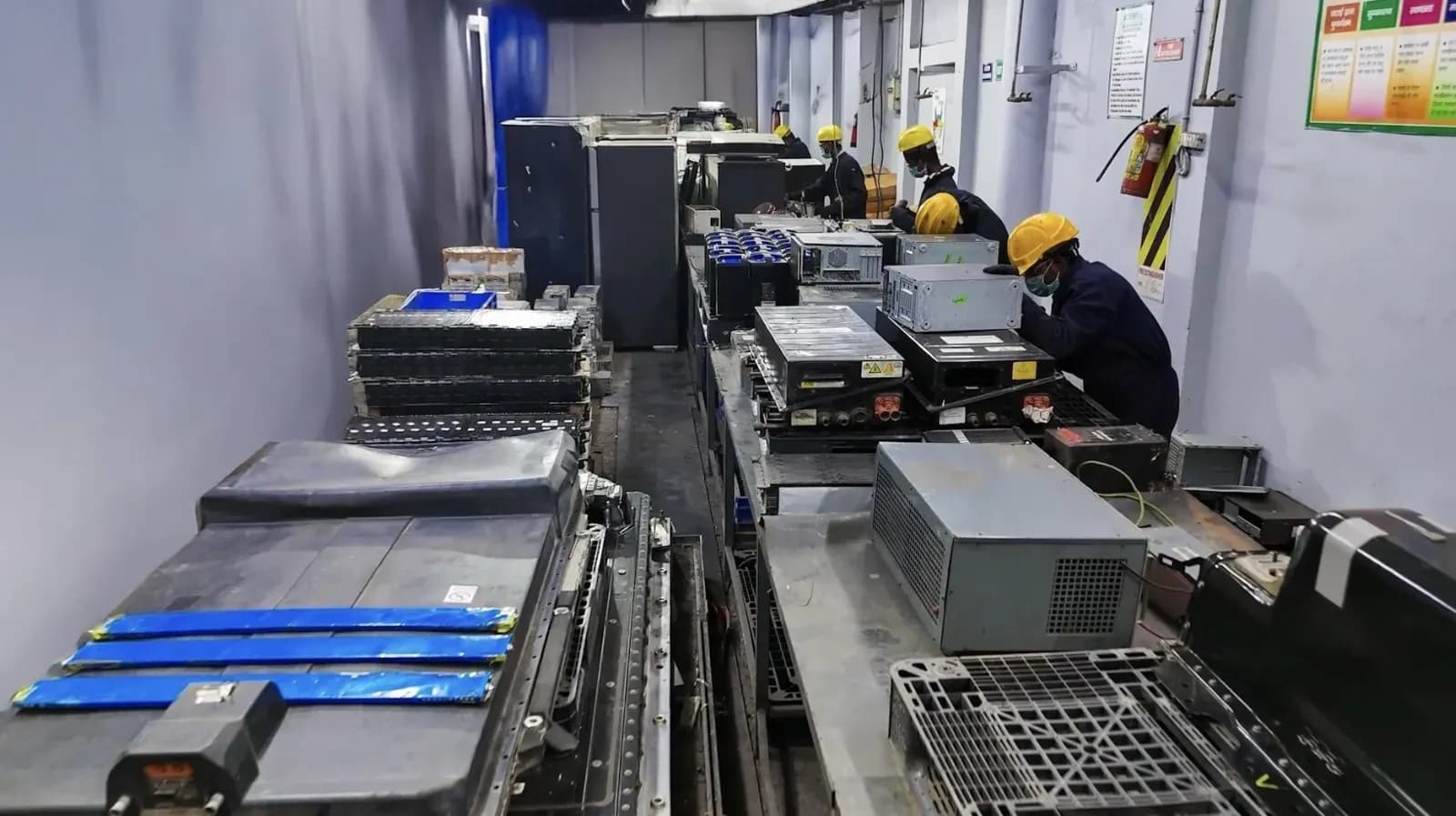
Adani's reported three-year copper supply agreement with recycling company Attero highlights the growing commercial importance of electronic waste recycling in India. With its Kutch Copper facility in Gujarat expanding operations, the deal could help diversify raw material sourcing while opening new opportunities in the country's circular economy.
India's copper industry is witnessing a significant shift as manufacturers increasingly explore alternative sources of raw materials to meet growing industrial demand. In a development reported on 24 November 2026, the Adani Group has signed a three-year agreement with Indian recycling company Attero to source copper anode for its Kutch Copper facility in Mundra, Gujarat.
According to Reuters, citing two people with direct knowledge of the agreement, the deal is valued at approximately $1 billion at prevailing copper prices. Under the reported arrangement, Attero will supply 2,000 metric tonnes of copper anode every month, reducing Kutch Copper's reliance on imported feedstock by approximately 5%.
The agreement, reportedly signed around three months before its disclosure, highlights how recycling could become an increasingly important component of India's industrial raw material supply chain.
A $1 Billion Agreement with a Recycling Focus
The agreement connects two important segments of India's industrial economy: large-scale metal manufacturing and electronic waste recycling.
Adani Enterprises began production at its Kutch Copper facility in Mundra, Gujarat, in 2025. The facility has an annual production capacity of 500,000 tonnes, with the company aiming to double its capacity to one million tonnes.
Under the reported agreement, Attero will recover copper from electronic waste and batteries and supply the resulting copper anode to Kutch Copper.
The monthly supply of 2,000 tonnes translates into approximately 24,000 tonnes annually. Over the three-year agreement, this would amount to approximately 72,000 tonnes, assuming the reported monthly supply continues throughout the contract.
At prevailing copper prices, Reuters' sources estimate the agreement's value at approximately $1 billion. However, the commercial terms have not been publicly disclosed, and Adani did not respond to Reuters' request for comment.
The reported supply volume represents approximately 4.8% of Kutch Copper's current annual nameplate capacity. While relatively modest compared with the facility's total capacity, it provides an additional source of raw material beyond conventional imported supplies.
Why Is India Looking Beyond Traditional Copper Imports?
Copper is an essential industrial metal used in electrical equipment, power transmission, construction, automobiles, electronics and renewable energy infrastructure.
As India's manufacturing and infrastructure sectors expand, securing a reliable supply of copper has become increasingly important.
According to the Ministry of Mines, India's organised copper industry had approximately 12.85 lakh tonnes of annual copper cathode production capacity in FY2025–26. Actual refined copper production stood at approximately 7.04 lakh tonnes during the same period.
Government figures reported by Reuters show that refined copper production increased from 573,000 tonnes in the financial year beginning April 2024 to approximately 704,000 tonnes in the financial year beginning April 2025.
Despite its domestic refining capacity, India remains dependent on imported copper concentrates and refined metal. Reuters also reported that total copper imports reached 859,509 tonnes in FY2025–26, according to commodities consultancy BigMint.
This dependence exposes domestic manufacturers to international commodity price movements, supply disruptions and fluctuations in global trade.
Recycling offers an additional source of copper that can complement conventional mining and refining operations.
Electronic Waste: An Emerging Commercial Opportunity
India's growing electronic consumption is creating a parallel challenge: the increasing volume of discarded electrical and electronic equipment.
Discarded electronics and batteries contain recoverable metals, including copper, aluminium, lithium and other valuable materials. Recovering these resources can reduce the need for virgin raw materials while creating economic opportunities in recycling, processing and advanced material recovery.
Attero's agreement with Adani demonstrates how electronic waste can become an industrial input rather than simply a disposal challenge.
For recycling companies, long-term supply agreements can provide greater demand visibility and encourage investment in processing infrastructure. For metal manufacturers, recycled materials offer an opportunity to diversify sourcing and potentially reduce exposure to imported raw materials.
However, recycling economics depend on collection networks, material quality, processing costs and the ability to recover metals efficiently. A larger recycling industry will therefore require better waste collection systems, technological investment and effective implementation of environmental regulations.
Can Recycling Reduce India's Import Dependence?
The Adani–Attero agreement is a positive development for supply-chain diversification, but its impact should be viewed realistically.
The reported 5% reduction relates to Kutch Copper's reliance on imported feedstock, not India's overall copper imports. Similarly, the agreement's 24,000-tonne annual supply is relatively small compared with the country's total copper requirements.
India will continue to require conventional copper mining, imported concentrates and domestic refining capacity to meet industrial demand.
Nevertheless, recycling can provide an additional source of supply and reduce dependence on a single category of raw material. Its economic importance could increase as more electronic waste and end-of-life batteries become available for recovery.
The agreement also comes amid Adani's broader efforts to secure copper resources. Earlier in November 2026, Kutch Copper signed a memorandum of understanding with Chile's state-owned Codelco to explore the Kaburkaala copper project. The proposed partnership could provide another potential source of long-term supply, although the project remains at the exploration stage.
Together, these developments indicate an approach that combines domestic recycling with international resource partnerships.
What It Means for India's Industrial Economy
The reported agreement reflects a wider economic opportunity for India: developing a stronger circular economy while supporting the needs of energy, infrastructure and manufacturing industries.
As demand for copper grows, companies that can secure reliable and diversified raw material supplies may gain greater flexibility in managing procurement risks and production costs.
For Gujarat, the development also highlights the growing importance of Mundra as an industrial and manufacturing location, with Kutch Copper linking domestic metal processing to international and recycled supply chains.
However, the long-term success of this model will depend on the commercial viability of recycling, the availability of quality feedstock and the ability of domestic companies to scale up processing operations.
More to read
Companies
Tata Sons IPO Battle: Why RBI's Listing Push Has Triggered a Major Corporate Governance Dispute.

Companies
L&T's ₹5,000 Crore AI Bet: How NVIDIA-Powered Computing Could Strengthen India's Digital Economy
Companies