Opinion
Tata Sons IPO Battle: Why RBI's Listing Push Has Triggered a Major Corporate Governance Dispute.
The Tata Sons IPO dispute has intensified following the RBI's renewed insistence that the company comply with regulations requiring its stock market listing as an upper-layer NBFC. Tata Trusts, which holds approximately 66% of Tata Sons, opposes the listing and has proposed restructuring the holding company as an alternative. The RBI's rejection of Tata Sons' application to surrender its regulatory registration has added to the pressure, while disagreements over N. Chandrasekaran's reappointment have further highlighted tensions within the group's leadership. The proposed IPO could improve transparency, provide market-based valuation and create opportunities for investors, but it also raises questions about ownership, control and corporate governance. With the next board meeting scheduled for November 30, the future of Tata Sons' listing remains uncertain, and no official IPO date has been announced.
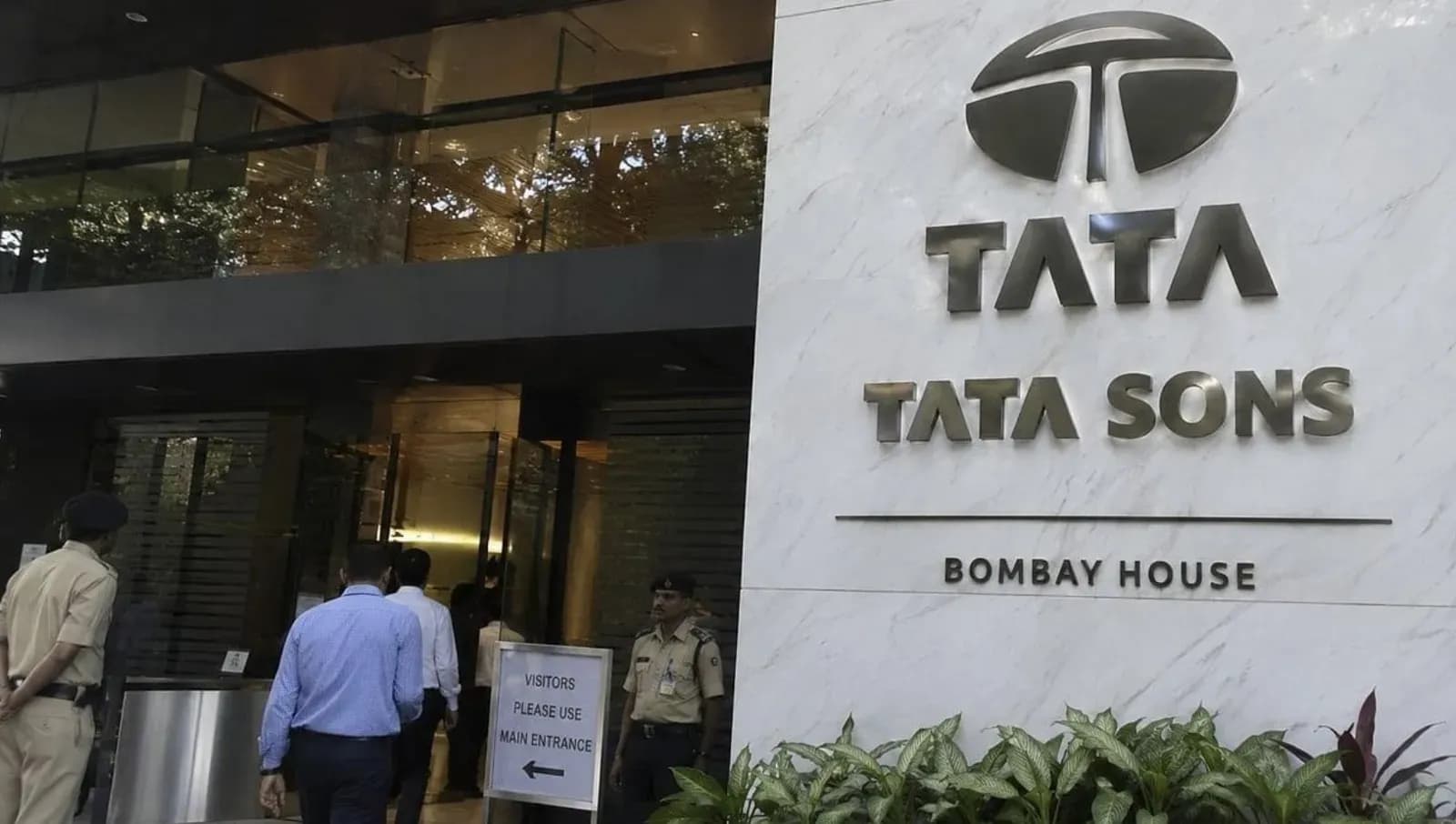
The RBI's renewed push for a stock market listing has intensified differences between Tata Trusts and the Tata Sons board, putting corporate governance, regulatory compliance and shareholder interests in the spotlight.
A century-old private company faces a public-market question
For more than a century, Tata Sons has operated as a privately held holding company, steering one of India's most recognised business groups. But its long-standing private status is now facing regulatory pressure, with the Reserve Bank of India (RBI) reiterating that the company must comply with the rules applicable to upper-layer non-banking financial companies, including the requirement to list its shares.
The latest development came on November 16, 2026, when the RBI communicated its position to Tata Sons after the company sought clarification on the applicable regulations. According to Reuters, which reviewed the communication, the regulator explicitly advised the company to comply with the listing requirement.
The issue is no longer simply about whether Tata Sons wants to enter the stock market. It has become a larger question of regulatory compliance, ownership and corporate governance.
Why is the RBI pushing for a listing?
The dispute has its roots in the RBI's Scale-Based Regulatory Framework for NBFCs. Under this framework, financial companies are classified into different layers according to factors such as their size, activities and risk profile. The Upper Layer attracts enhanced regulatory requirements.
Tata Sons was classified as an upper-layer NBFC in September 2022. However, instead of proceeding with a listing, the company sought to exit the Core Investment Company (CIC) regulatory category.
In March 2024, Tata Sons applied to voluntarily surrender its CIC registration after repaying approximately ₹21,813 crore of debt and becoming net cash positive, according to earlier reporting by Moneycontrol.
The RBI rejected the deregistration application on September 11, 2026. This was a significant setback for the company's attempt to remain outside the listing requirement. Its November 16 communication further reinforced the regulator's position.
Tata Trusts versus the listing proposal
At the centre of the disagreement is the ownership structure of Tata Sons.
Tata Trusts, a group of philanthropic trusts, holds approximately 66% of Tata Sons, making it the company's controlling shareholder. The trusts have opposed a public listing, favouring an alternative structure that would allow the holding company to remain privately controlled.
Noel Tata, chairman of Tata Trusts and a director of Tata Sons, has proposed restructuring the company to avoid the listing requirement. The proposal reportedly involves merging two group companies, Tata Electronics Systems Solutions and Tata Consulting Engineers, into Tata Sons.
However, the proposal's ability to change Tata Sons' regulatory classification remains uncertain. The RBI's November communication did not endorse the restructuring proposal and reiterated the need to comply with applicable regulations.
The Shapoorji Pallonji Group, which holds approximately 18.4% of Tata Sons, is another important stakeholder. A public listing could have implications for the value and liquidity of its investment.
A wider corporate governance dispute
The listing disagreement has also exposed differences within the group's leadership.
Tensions between Tata Trusts and the Tata Sons board became more visible during the September 17, 2026, board meeting, when directors considered the reappointment of N. Chandrasekaran as executive chairman. Reuters reported that Tata Trusts opposed both the reappointment and the board's decision to pursue a stock market listing.
These disagreements raise questions about how strategic decisions are made within a large business group, the role of controlling shareholders and the relationship between the board and its investors.
The next board meeting has become particularly important. Originally scheduled for November 26, it was postponed to November 30 after Noel Tata raised concerns about the notice period provided to directors. The listing question and possible compliance alternatives are expected to remain central to the discussions.
What could a Tata Sons IPO mean for investors and markets?
A public listing could bring greater transparency through regular financial disclosures, market scrutiny and shareholder accountability. It could also provide a market-based valuation of Tata Sons' investments across major group companies.
For investors, the possibility of accessing shares in the holding company could be significant. However, the value of Tata Sons cannot simply be calculated by adding the market capitalisation of its listed subsidiaries. Its own liabilities, investments, corporate structure, holding-company costs and applicable valuation discounts would also matter.
A listing could also create new questions around the influence of public shareholders, the interests of philanthropic trusts and the group's long-standing governance model.
At the same time, going public would not automatically resolve every governance disagreement. The company would still need to balance the interests of its shareholders, board, businesses and regulatory authorities.
The decision ahead
The Tata Sons dispute represents a significant test of how India's regulatory framework applies to one of its most influential business groups. The RBI has made its position clearer, while Tata Trusts continues to favour keeping the holding company private.
The November 30 board meeting could provide greater clarity on the company's next steps, but it should not be mistaken for an IPO announcement. Until the board and shareholders take the necessary decisions and regulatory requirements are addressed, the timing and structure of any potential listing remain uncertain.
Ultimately, the question is bigger than whether Tata Sons will become a publicly traded company. It is about how a century-old business institution balances private ownership, modern corporate governance and the demands of financial regulation.