Opinion
India's Medical Devices Market Set to Hit $50.1 Billion by 2030: Can Domestic Manufacturing Close the Import Gap?
India’s medical devices market is projected to grow from US$15.2 billion in 2025 to US$50.1 billion by 2030, creating a major opportunity for domestic manufacturers. However, India continues to depend heavily on imports, particularly for advanced medical equipment. Government initiatives such as the PLI Scheme, medical device parks and research funding aim to strengthen domestic production. Beyond healthcare, a reliable medical technology industry is strategically important for military medical services, emergency preparedness and national supply-chain resilience. India's challenge is to reduce import dependence, improve technological capabilities and become a competitive global medical devices manufacturing hub.
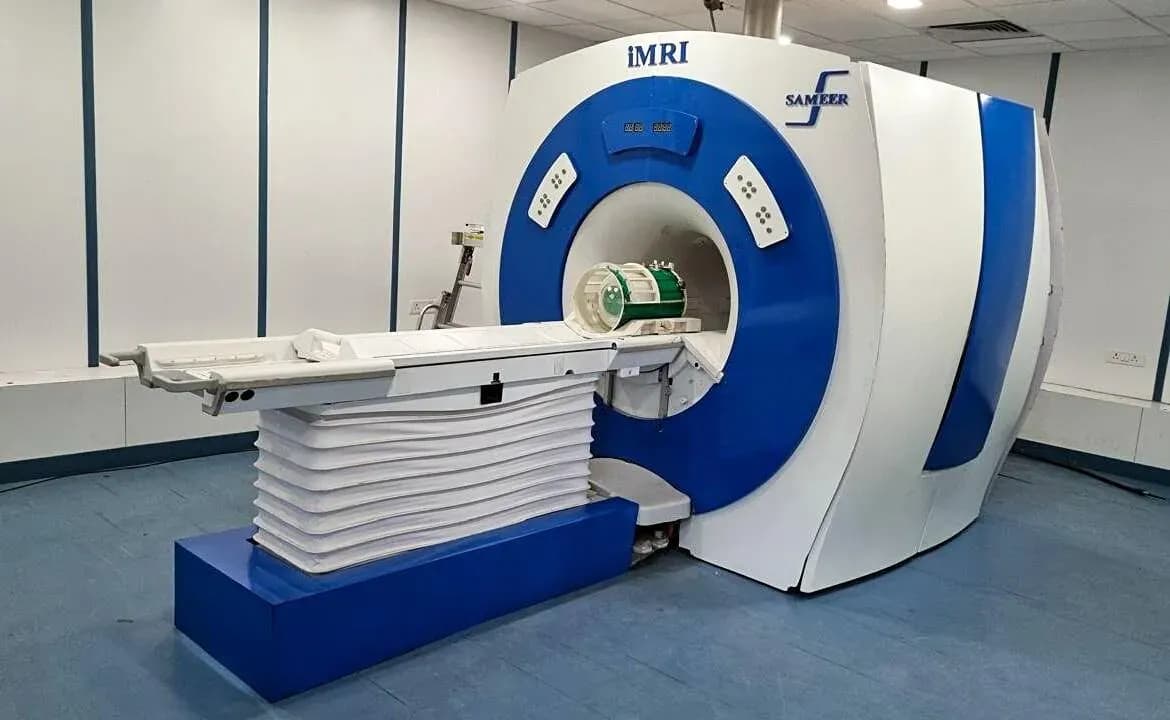
India’s medical devices industry is projected to more than triple in size by 2030. But with imports still exceeding exports and advanced equipment remaining a key dependency, the next challenge is turning market growth into manufacturing strength.
India’s medical devices industry is entering a period of significant expansion, with its market projected to grow from US$15.2 billion in 2025 to US$50.1 billion by 2030, according to a report by Rubix Industry Insights cited by DD News. The forecast represents a compound annual growth rate (CAGR) of 26.9%.
The projection highlights the growing importance of medical technology in India's healthcare economy. However, the opportunity extends beyond hospitals and patient care. Medical devices are also strategically important for emergency preparedness, critical-care infrastructure and the country's ability to maintain essential supplies during health crises.
The central question is whether India can build a stronger domestic manufacturing base to meet this rising demand, particularly for sophisticated equipment that it continues to import.
A rapidly expanding market, but a persistent import gap
India is currently the fourth-largest medical devices market in Asia and ranks among the top 20 globally, according to the Rubix report. Rising incomes, wider health insurance coverage, expanding healthcare infrastructure and medical tourism are among the factors supporting demand.
Yet the country's trade figures reveal a significant imbalance. According to data provided by the Department of Pharmaceuticals in Parliament, India exported medical devices worth ₹42,360 crore in FY2024–25, while imports stood at ₹1,37,088 crore. This means imports were more than three times the value of exports.
The DD News report, citing Rubix Industry Insights, also noted that approximately 70–80% of domestic demand is met through imports, particularly for high-end and technologically advanced equipment.
This dependence matters because medical devices are not limited to everyday hospital supplies. They include diagnostic imaging systems, monitoring equipment, surgical instruments, implants and critical-care technologies. Disruptions in international supply chains can affect the availability, affordability and timely replacement of such equipment.
Government incentives are building manufacturing capacity
Recognising the challenge, the government has introduced measures to encourage domestic production. The National Medical Devices Policy, 2023, provides a framework for strengthening infrastructure, research and development, investment, skills and innovation.
The Production Linked Incentive (PLI) Scheme for Promoting Domestic Manufacturing of Medical Devices has a financial outlay of ₹3,420 crore and covers the period from FY2022–23 to FY2026–27.
According to a Ministry of Chemicals and Fertilizers update presented in Parliament in March 2026, 24 greenfield projects had been commissioned and production had begun for 57 products under the scheme by December 2025. These include high-end equipment such as MRI and CT scanners, linear accelerators, ultrasound machines, mammography systems and C-arm machines.
The same update reported cumulative eligible sales of ₹13,624.52 crore under the scheme, including exports worth ₹6,425.48 crore.
The government has also approved three medical device parks in Greater Noida, Uttar Pradesh; Ujjain, Madhya Pradesh; and Kanchipuram, Tamil Nadu. These parks are intended to provide shared infrastructure and testing facilities, helping manufacturers reduce costs and improve competitiveness.
Why medical technology is also a strategic capability
The importance of medical device manufacturing becomes particularly visible during emergencies. Public health crises, natural disasters and large-scale accidents can create sudden demand for ventilators, diagnostic equipment, patient-monitoring systems and other critical supplies.
For the armed forces, access to reliable medical equipment is also essential for military hospitals, field medical units and emergency treatment facilities. Equipment used for patient monitoring, imaging, diagnostics and critical care supports medical services in both routine and high-pressure situations.
This does not mean that the commercial medical devices market is the same as the defence medical procurement market. However, a stronger domestic ecosystem can contribute to a wider national capability: developing, producing, maintaining and supplying essential medical technologies with less exposure to external disruptions.
For India, the strategic value lies not only in manufacturing finished products but also in developing domestic expertise in components, materials, precision engineering, software and testing.
Innovation and quality will determine the next phase
India's manufacturing expansion must move beyond increasing production volumes. High-end medical technology requires sustained investment in research, skilled professionals, quality assurance and regulatory compliance.
The government's March 2026 update also highlighted the ₹500-crore Scheme for Strengthening Medical Device Industry, which supports key components and accessories, skill development, clinical studies and common infrastructure.
Research support is another part of the ecosystem. The Promotion of Research and Innovation in Pharma MedTech Sector (PRIP) scheme has an overall outlay of ₹5,000 crore. The government has also identified medical devices as an area for research and development support through its institutional and industry-linked initiatives.
These efforts will be important if Indian manufacturers are to compete in advanced segments rather than remain concentrated in relatively simpler products and consumables.
Can India turn market growth into manufacturing strength?
The projected US$50.1-billion market offers a major opportunity for Indian manufacturers, investors, research institutions and technology companies. Exports are also showing progress: official data recorded medical device exports of US$4.014 billion in FY2024–25, compared with US$2.532 billion in FY2020–21.
However, the import-export gap demonstrates that market expansion alone will not deliver self-reliance. India must build reliable domestic supply chains, strengthen component manufacturing, improve product quality and support innovation in technologically advanced devices.
The real measure of success by 2030 will not simply be the size of the medical devices market. It will be how much of that demand Indian manufacturers can meet competitively, how effectively they can expand exports and whether the country can ensure dependable access to critical medical technologies.
India's opportunity is therefore larger than a fast-growing healthcare market. It is a chance to build a globally competitive medical technology industry while strengthening an essential part of the country's economic and strategic resilience.
More to read
Markets
India's Aluminium Industry Seeks Higher Import Duties: What It Means for Investors and Manufacturers
Markets
India's Stock Market Attracts Record $12 Billion in Foreign Buying Amid Global AI Market Uncertainty

Markets