Opinion
India’s ₹11,000 Crore Push to Build Critical Machines: Can It Reduce Dependence on Foreign Equipment?
India's ₹11,000 crore Scheme for Enhancement of Construction and Infrastructure Equipment Manufacturing Ecosystem aims to strengthen domestic production and reduce dependence on imported machinery and components. With imports meeting approximately 45% of domestic demand, the initiative seeks to encourage investment, support manufacturers and improve testing infrastructure. Amid global supply-chain vulnerabilities and restrictions affecting specialised equipment such as tunnel-boring machines, the scheme highlights the importance of developing indigenous manufacturing capabilities. Its success will depend on technological innovation, component production and the ability of Indian companies to compete globally.
Why India needs to manufacture its own infrastructure machinery
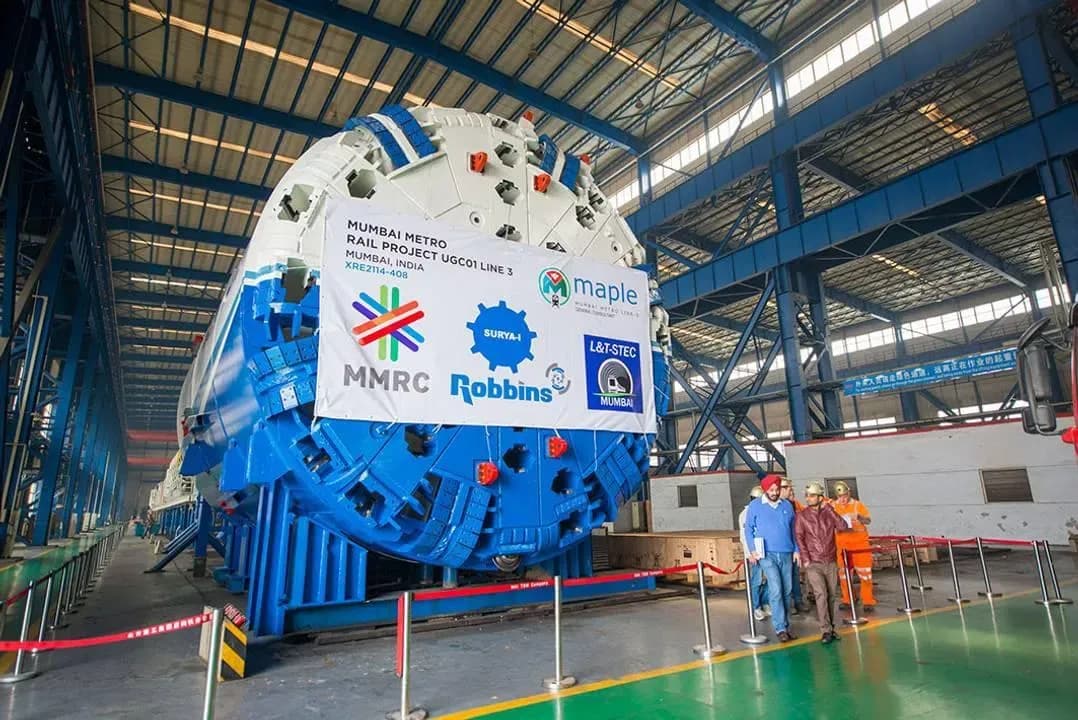
The scale of India's infrastructure expansion is creating demand for increasingly specialised equipment. Tunnel-boring machines (TBMs), hydraulic excavators, off-highway trucks and ship-to-shore cranes are essential for projects ranging from underground metro networks to ports and large construction sites.
However, imports continue to account for approximately 45% of domestic demand for construction and infrastructure equipment, according to figures cited during the announcement of the scheme.
The dependence extends beyond fully built machinery. In a written response to Parliament in July 2026, the Ministry of Heavy Industries cited industry estimates of approximately ₹34,500 crore in import dependence during FY2024–25. Of this, around ₹4,250 crore represented imports of fully built construction equipment, while nearly ₹30,250 crore comprised components and aggregates used in domestic manufacturing.
This distinction is important. Even when machinery is assembled in India, dependence on imported engines, transmission systems and other critical components can leave manufacturers exposed to external supply disruptions, foreign exchange movements and delivery delays.
What does the ₹11,000 crore scheme offer?
The new scheme will operate for eight years, beginning in FY2026–27. It has two principal components.
First, eligible original equipment manufacturers (OEMs) and component manufacturers will receive sales-linked incentives based on incremental sales. The incentive rates will range from 8% to 13% over a five-year disbursement period.
Second, the government will provide a grant of up to ₹375 crore, structured as viability gap funding, for establishing a dedicated construction and infrastructure equipment testing facility.
The implementation timeline includes a two-year gestation period, from FY2026–27 to FY2027–28, for manufacturers to establish facilities. Incentive disbursements are scheduled for FY2028–29 to FY2032–33, followed by a final year for settling eligible claims.
According to the government, the scheme is expected to attract investments of approximately ₹21,000 crore and support import substitution worth around ₹22,500 crore. These are projected outcomes, not achievements already realised.
The China factor and the vulnerability of global supply chains
The debate over equipment dependence has gained urgency following China's export controls on certain tunnel-boring machines. The restrictions, effective from 18 November 2026, require exporters to obtain licences from Chinese authorities before shipping specified equipment.
This matters because TBMs are critical to underground infrastructure projects, including metro systems, railway tunnels and highways. Delays in securing specialised machinery can affect project schedules and costs.
India's experience with the Mumbai–Ahmedabad high-speed rail project has already highlighted the risks. Two tunnel-boring machines manufactured by Germany's Herrenknecht at its facility in Guangzhou, China, were held up at a Chinese port for more than a year before reaching India in March 2026, according to reporting by The Indian Express and Business Standard.
The broader concern is not limited to China. Reliance on a narrow group of international suppliers can expose infrastructure projects to geopolitical tensions, export restrictions and logistical disruptions. Developing domestic production capabilities can therefore improve supply-chain resilience, although it will take time to replace specialised imports.
Can Indian manufacturers move up the technology ladder?
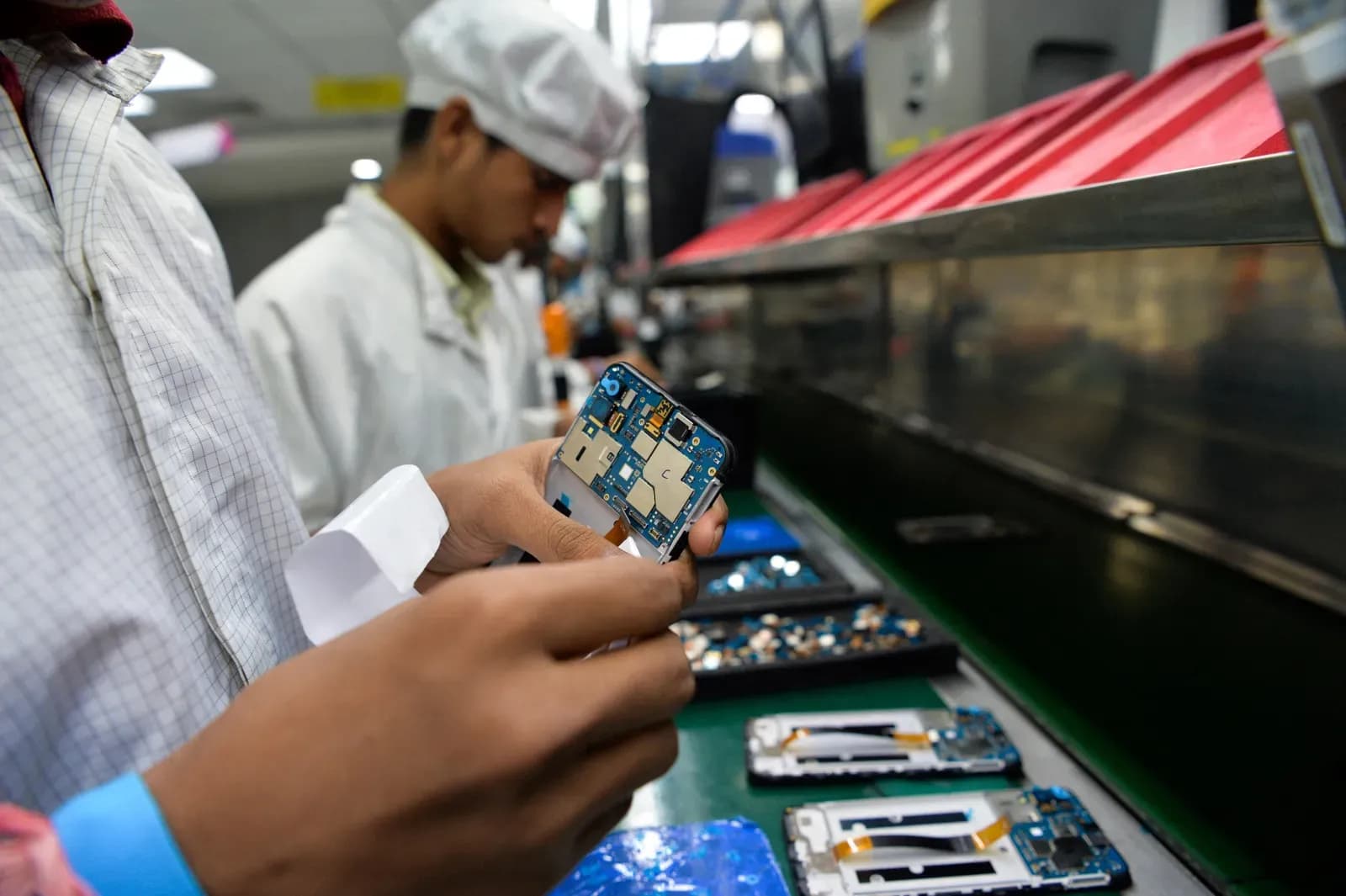
The success of the scheme will depend on more than the number of factories established or machines assembled domestically. Advanced infrastructure equipment requires precision engineering, specialised materials, reliable components, software, testing capabilities and continuous research and development.
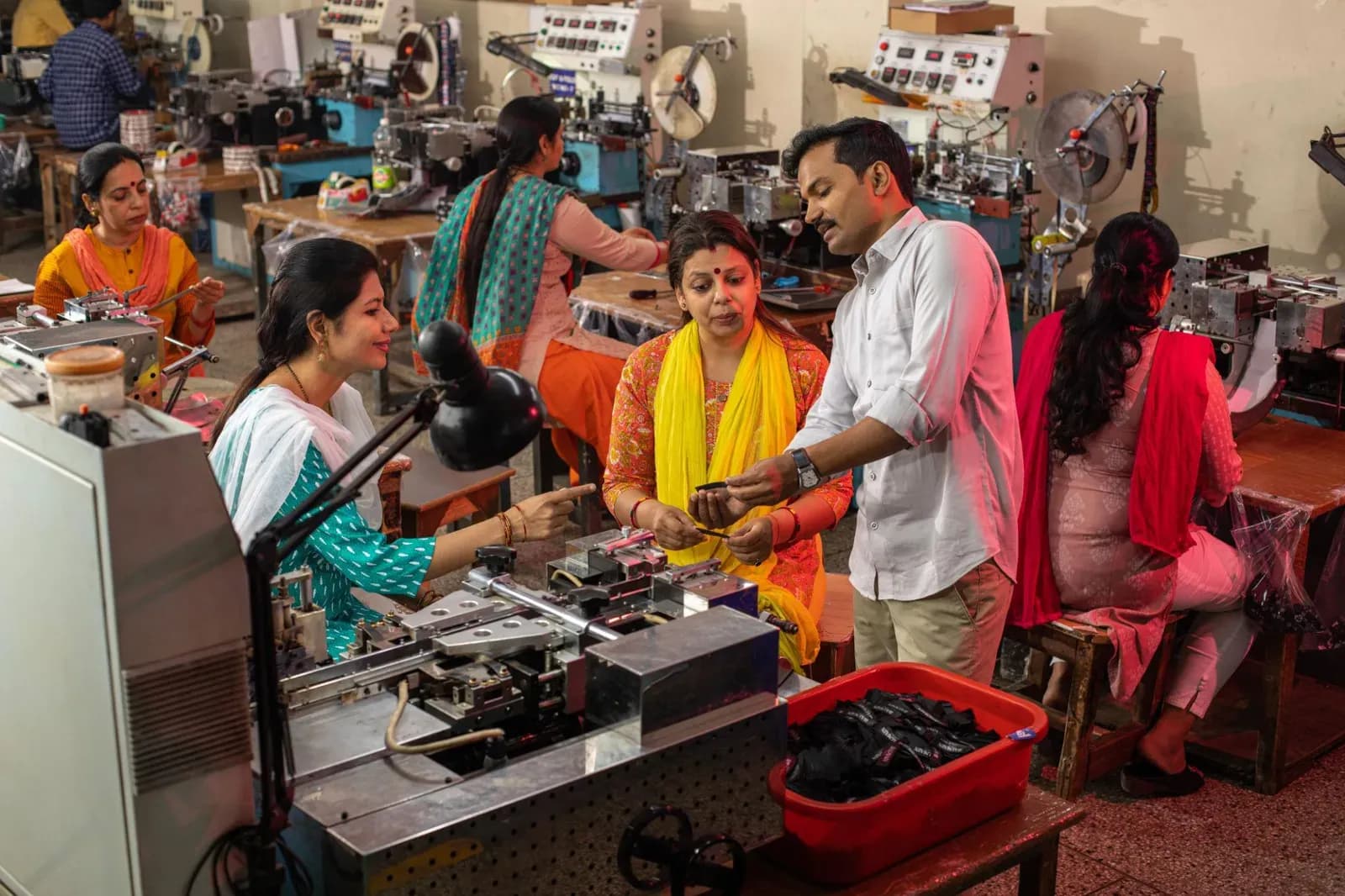
The government's focus on component manufacturers is therefore significant. A stronger domestic supplier base could reduce dependence on imported aggregates and create opportunities for smaller industrial firms to participate in the manufacturing ecosystem.
The proposed testing facility is another important step. Equipment must meet demanding standards for safety, durability and performance before it can be deployed in major infrastructure projects or compete internationally.
Indian companies will also need to build technological expertise rather than rely solely on assembling machinery designed elsewhere. Developing indigenous intellectual property, improving productivity and meeting global quality standards will be central to long-term competitiveness.
Beyond import substitution
India's construction and infrastructure equipment market is expected to more than double by FY2029–30. This creates an opportunity not only to serve domestic infrastructure projects but also to build an export-oriented manufacturing industry.
The ₹11,000 crore scheme provides a policy and financial framework to pursue that objective. However, its impact will depend on implementation, private investment, technology development and the ability of Indian manufacturers to produce reliable equipment at competitive costs.
Reducing dependence on foreign machinery will not happen immediately. But building domestic capabilities in critical equipment could help India protect infrastructure projects from external supply shocks and strengthen its position in global manufacturing.
The real test will be whether India can manufacture the machines that build its infrastructure—and eventually sell them to the world.